Know How To Stay Safe Amid Growing Cybercrime
As more of daily life goes cashless and online - payments, banking, shopping, work, identity documents - cybercrime has grown right alongside it. Online fraud is now one of the most common crimes in the world, and it long ago stopped being just about stolen card numbers. Attackers hijack email accounts, hold files for ransom, impersonate banks and delivery companies, and quietly harvest personal data for later use.
The scale can feel intimidating, but the practical truth is encouraging: most cybercrime is opportunistic, and a handful of good habits plus the right tools will remove you from the pool of easy targets. Here’s how to stay safe amid growing cybercrime.
Cybercrime Is Growing Everywhere - and Targeting Everyone
The lesson of the last decade of attacks, from the WannaCry ransomware outbreak that paralysed hospitals and businesses across the globe to the endless waves of banking fraud reported by national CERTs, is that cybercrime scales. The same phishing kit works against a student in Mumbai, a shop owner in Lyon and a retiree in Chicago; the same ransomware hits multinational corporations and family businesses alike.
Individuals and small businesses are increasingly the preferred targets, precisely because they invest the least in security. Attackers don’t need to breach a bank’s fortress if they can phish a thousand of its customers instead. Which means the most valuable security upgrades are the ones you make yourself.
It's Important To Be Vigilant: Everyday Safety Habits
Some common habits can save you from big frauds. Any online shopper - which today means everyone - should keep these in mind:
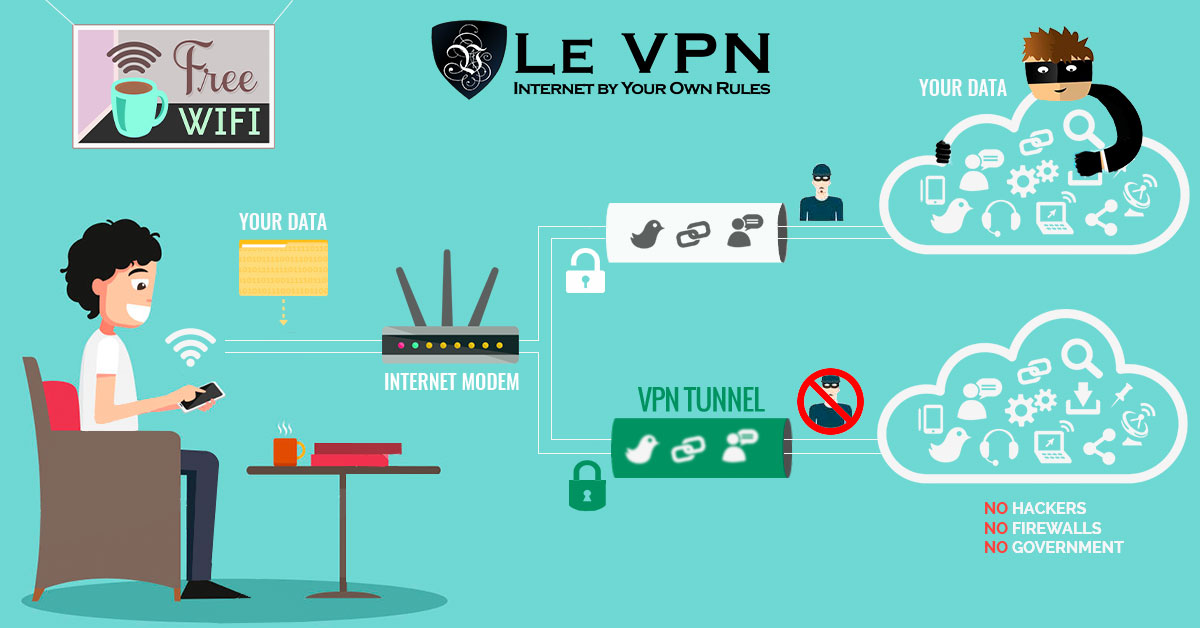
- Use a secure internet connection - avoid doing banking or shopping over open public Wi-Fi unless your traffic is encrypted by a VPN.
- Turn on two-factor authentication for email, banking and any account you'd hate to lose. Your email deserves special care: whoever controls it can reset everything else.
- Check for "https" in the address bar before entering payment details, and be suspicious of lookalike domains reached from links in emails or messages.
- Use a different password for every site, managed by a password manager - one breached shop shouldn't hand over your whole digital life.
- Don't save your card details on websites you don't fully trust; every stored card is one breach away from being someone else's.
- Keep your devices updated. WannaCry spread through a vulnerability that had already been patched - the victims were simply those who hadn't updated.
- Treat urgency as a red flag. "Your account will be closed today," "your parcel is held" - pressure is the scammer's main tool. Verify through the official app or website, never through the link you were sent.
A VPN Can Guard Against This Danger
A virtual private network is one of the most affordable and effective layers you can add. When you use a VPN, your connection is encrypted before it leaves your device. That closes off an entire category of attacks:
- Public Wi-Fi snooping. On café, hotel and airport networks, an attacker on the same hotspot can intercept unencrypted traffic or set up a fake access point. With a VPN, all they see is an unreadable encrypted stream.
- Man-in-the-middle attacks. Tampering with your traffic - injecting fake pages or malware - becomes impractical when the traffic is sealed inside an encrypted tunnel.
- IP-based targeting and tracking. Your real IP address, and with it your location and identity, stays hidden behind the VPN server's address.
Choose your provider wisely, though. “Free” VPN services have to pay their server bills somehow, and too often the product being sold is your browsing data - the very thing you’re trying to protect. A reputable paid service with a clear business model is the safer bet.
Opt For Le VPN And Enhance Your Online Security
Le VPN encrypts your connection using strong, modern protocols - OpenVPN, WireGuard, Stealth WireGuard and IPSec/IKEv2 - the same class of encryption trusted for banking and government use, and fast enough that your internet speed isn’t compromised in normal use. The network spans 100+ locations worldwide (see the server list), and dedicated apps cover Windows, macOS, iOS and Android.
The mobile apps matter more than ever, since we do most of our connecting - and most of our risky public-Wi-Fi connecting - on phones. Le VPN’s apps also include DNS-based threat protection that blocks known malicious domains before they load, and breach detection that warns you if your email address appears in leaked credential databases. One account protects up to 10 devices simultaneously, so your laptop, phone and tablet are covered together.
Cybercrime will keep growing; your exposure to it doesn’t have to. Combine the habits above with an always-on encrypted connection, and you’ve raised your defences above the level most attackers bother with. Get Le VPN and enhance your security today - your first purchase is backed by a 30-day money-back guarantee.
About the author
Le VPN Blog Contributor
Shalini Nagaonkar is a longtime contributor to the Le VPN blog, writing on cyber security, digital privacy, and how to stay safe online. Her articles cover everything from practical VPN use cases to the latest developments in online security.
Articles by Shalini Nagaonkar →