OpenVPN Installation on DD-WRT Router
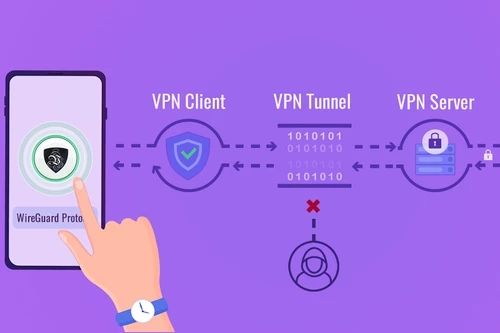
Set up Le VPN with OpenVPN directly on your DD-WRT router and every device on your network - laptops, phones, smart TVs, consoles - connects through the VPN automatically, with no app or per-device setup needed.
Protect your whole household at once
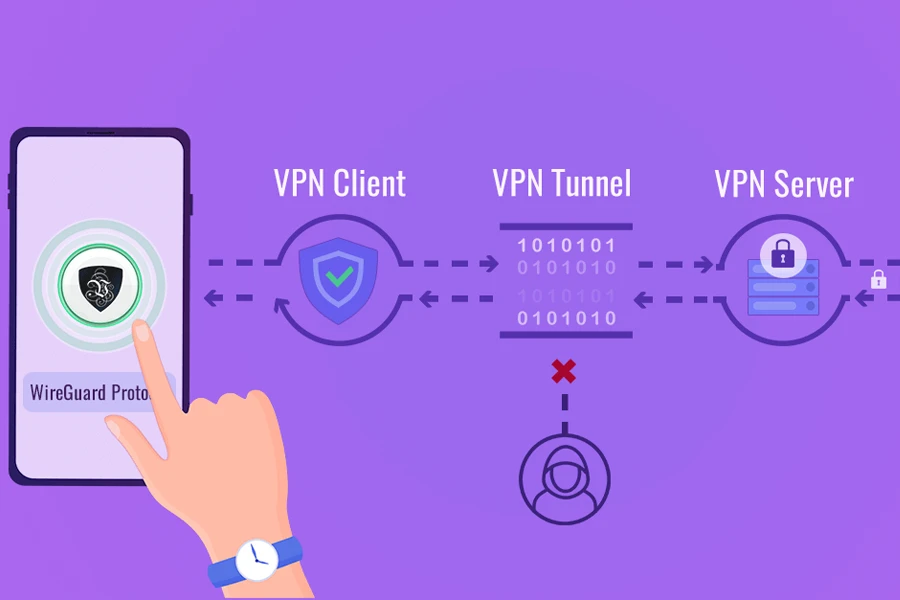
A router-level VPN setup is a one-time configuration that covers every device connected to your network - including smart TVs, consoles, and other devices that can't run a VPN app themselves. There's no separate app for routers; you configure OpenVPN directly in the DD-WRT admin panel using your Le VPN configuration file.
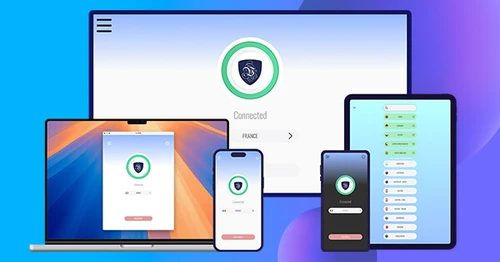
For devices you'd rather connect individually (e.g. your personal laptop or phone away from home), the Le VPN app is available for Windows, macOS, Android, and iOS.
Manual OpenVPN Setup on DD-WRT
Configure the OpenVPN client built into DD-WRT's firmware. Exact menu names can vary slightly by DD-WRT version.
1
Open your router's admin panel
In a browser, go to your router's control panel (usually http://192.168.1.1). Under Setup > Basic Setup, set Static DNS 1/2/3 to 8.8.8.8, 8.8.4.4, and 208.67.222.222, and enable Use DNSMasq for DHCP/DNS. Save and apply.
2
Enable the OpenVPN client
Go to Services > VPN and enable Start OpenVPN Client. Turn on Advanced Options to reveal the full set of fields you'll need next.
3
Enter server and connection settings
Set Server IP/Name to your chosen server (e.g. fr.zeropointer.net), Port to 53/80/443 matching your configuration file, Tunnel Device to TUN, and Tunnel Protocol to UDP (or TCP for ports 80/443).
Encryption and certificate settings
Fill in the remaining fields: Encryption Cipher = AES-256-CBC, Hash Algorithm = SHA1, User Pass Authentication = Enable with your VPN username and password, TLS Cipher = None, LZO Compression = Yes, NAT = Enable.
In Additional Config, add:
tls-clientpersist-keypersist-tunpersist-remote-ip
Then paste the CA certificate, client certificate, and private key from your downloaded configuration files into the corresponding CA Cert, Public Client Cert, and Private Client Key fields. Save and apply - the router may need a reboot to pick up the new settings.
Check Status > OpenVPN for a "Client: CONNECTED SUCCESS" message. Once connected, confirm from any device on your network by checking your IP address - it should show the VPN server's location.
OpenVPN configuration files
Your Le VPN subscription includes ready-made OpenVPN configuration files for every server location, bundled by port so you can pick whichever works best on your network.
Download the ZIP for the port you want: UDP 53, TCP 80, or TCP 443. Each ZIP has one .ovpn file per server for that port (e.g. Le-VPN-France-53.ovpn). Open a file in a text editor to copy the certificate and key blocks into your router's fields.

Quick recap
This guide configures Le VPN with OpenVPN directly on a DD-WRT router, so every device on your network - laptops, phones, smart TVs, consoles - connects through the VPN automatically with no per-device app. You set DNS, enable the OpenVPN client in the DD-WRT admin panel, enter server and encryption settings, and paste in the certificate and key from your configuration file.
- Platform: DD-WRT router, using the OpenVPN protocol - a one-time setup that covers every device on your network
- Enable the client under Services > VPN > Start OpenVPN Client, with server e.g.
fr.zeropointer.netand TUN/UDP - Encryption: AES-256-CBC, SHA1, user-pass auth on; paste the CA cert, client cert and private key from your config file
- Config files come as per-port ZIPs (UDP 53, TCP 80, TCP 443); open a
.ovpnin a text editor to copy the cert blocks - Great for devices that can't run a VPN app; the Le VPN app is also available for individual devices, up to 10 per account
Finding your VPN credentials
VPN connection credentials
Used to connect via OpenVPN on your router. Sent to your email when you activated your account - not the same as your client area login. Forgot them? Log into the client area and use the menu to view or reset your VPN password.
Client area login
The email and password you use to sign into le-vpn.com/clients to manage your subscription and download configuration files. Forgot it? Reset your client area password here.
Download the latest Le VPN app for all devices




Also available on


30-Day Money-Back Guarantee
Try Le VPN risk-free! If you're not satisfied within the first 30 days, let us know and we'll refund your money.