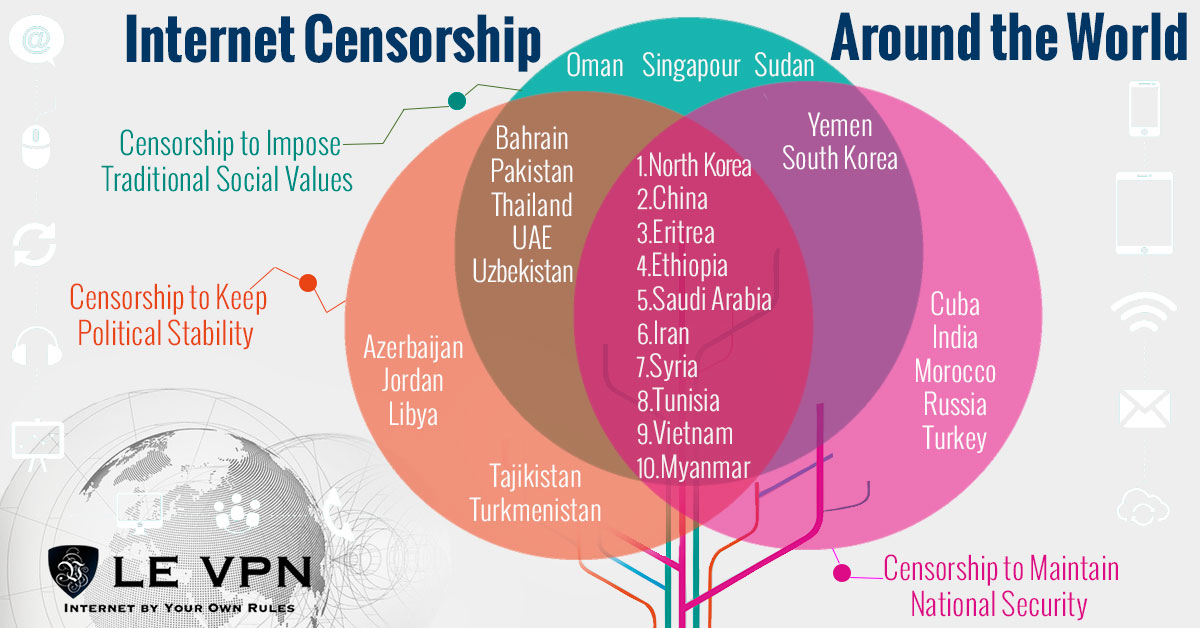
Top 10 Censors Of The Internet And How To Avoid Internet Censorship
Internet censorship is a growing problem worldwide. Bloggers, journalists and average internet users are finding it more and more difficult to access the content they seek.
Internet Censorship Around The World
In this age of instant information, you’d think access would be unlimited - the internet is only a click away. The sad truth is that many governments actively block connections and censor content wherever possible, and organisations that track press freedom, like the Committee to Protect Journalists and Reporters Without Borders, report record numbers of journalists jailed for their work year after year. More than access to “objectionable” material is at stake: in the most censored countries, reading the wrong site can be dangerous, and publishing it can mean prison.
The good news is that for most users there’s a reliable way through: a VPN to bypass censorship. Below are the countries with the most heavily censored internet, followed by how to get around the blocks wherever you are.
Top 10 Countries with the Most Heavily Censored Internet:
10. Myanmar (Burma)
 After a period of cautious opening, Myanmar's 2021 military coup made it one of the world's fastest-deteriorating internet environments. The junta imposes rolling internet shutdowns, blocks social media and independent news, monitors communications, and has criminalised the use of censorship-circumvention tools - its cybersecurity legislation makes unauthorised VPN use an offence. Access to information now depends heavily on tools that can disguise themselves from network inspection.
9. Vietnam
 Vietnam allows broad internet access but polices it aggressively. The government blocks websites critical of the party, pressures platforms to remove "toxic" content and hand over user data, and uses vague laws against "abusing democratic freedoms" to jail bloggers and journalists. Its cybersecurity law requires foreign platforms to store Vietnamese users' data locally, tightening the state's grip further, and an army of online opinion-shapers works to drown out dissent.
8. Tunisia
 Tunisia's post-2011 opening made it a regional bright spot for years, but the trend has reversed: recent decrees criminalising the spread of "false information" have been used to prosecute journalists, critics, and ordinary social media users. While outright site-blocking is rarer than elsewhere on this list, the chilling effect is real, and self-censorship has returned - a reminder that internet freedom can erode as quickly as it improves.
7. Syria
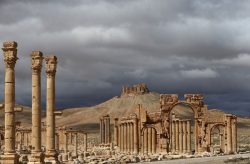 Syria has spent over a decade among the world's most dangerous places to be online. Under the Assad government, internet cafés registered users and reported activity, "endangering national security" online drew arrests, and the country repeatedly cut the internet entirely during conflict. Reporters Without Borders listed Syria as an "Enemy of the Internet" for years. After the government's fall in late 2024, the country's information environment has been in flux - but infrastructure damage and uncertainty mean safe, private connections remain essential for anyone there.
6. Iran
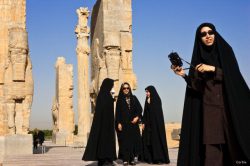 Iran runs one of the most sophisticated censorship regimes on earth. Millions of sites are blocked - including major social networks and messaging apps - bloggers must register with authorities, and criticism of the government or clergy brings prosecution. During protests, authorities throttle or shut down the internet regionally and push citizens toward a controlled "national internet" that stays up while the global web goes dark. Circumvention tools are correspondingly widespread: a huge share of Iranians rely on VPNs with obfuscation to reach the open internet.
5. Saudi Arabia
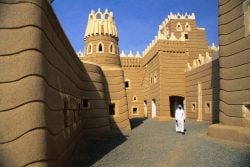 Saudi Arabia censors on both religious and political grounds, blocking hundreds of thousands of websites whose content is deemed contrary to Islamic values or state interests. Traffic is filtered centrally, online news outlets require licences, and anti-cybercrime laws are applied to social media posts - with prison sentences, sometimes shockingly long ones, handed down for tweets. The predictable result is heavy self-censorship among Saudi users and journalists alike.
4. Ethiopia
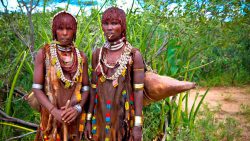 Ethiopia has become one of the world's most frequent users of the bluntest censorship tool there is: the shutdown. During conflicts and unrest the government has cut internet access to entire regions - sometimes for years at a stretch - and social media platforms are blocked for months at a time nationwide. Anti-terrorism and hate-speech laws are used against journalists, and the state's dominant position in telecoms makes the off-switch easy to reach.
3. Eritrea
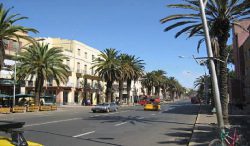 Eritrea remains one of the most closed information environments on the planet. All media is state-controlled, independent journalism was extinguished years ago, and the Committee to Protect Journalists has repeatedly ranked it among the world's worst jailers of media professionals - many held for years without charge. Internet penetration remains among the lowest anywhere, connections are slow and monitored, and the free flow of information to citizens barely exists.
2. China
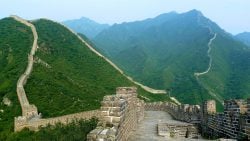 China operates the most technically advanced censorship system in existence: the Great Firewall. Google, Facebook, Instagram, WhatsApp, YouTube, and most Western news sites are blocked outright; domestic platforms are filtered by algorithms and armies of human moderators; searches for restricted topics are rerouted or erased. Deep packet inspection actively hunts and blocks ordinary VPN connections, which is why only obfuscated protocols work reliably. Add the threat of prosecution for spreading "rumours," and the world's largest online population lives behind the world's tallest digital wall. Learn more about getting online freely with a VPN for China.
1. North Korea
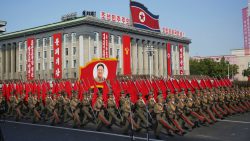 The number one censor is no surprise. In North Korea, the global internet effectively does not exist for ordinary citizens: only a tiny elite has access, while everyone else is limited to Kwangmyong, a tightly controlled national intranet of state-approved content. Devices are inspected, foreign media possession is severely punished, and information flows are controlled to a degree unmatched anywhere on earth.
The list above is by no means comprehensive - dozens of other countries block content, jail critics, and impede the free flow of information. Russia has escalated dramatically in recent years, blocking major social networks, criminalising independent war reporting, and building out its “sovereign internet” infrastructure to filter traffic at the national border. Turkmenistan permits a single state internet provider and blocks most of the web. Belarus shut down the internet during its 2020 protests and has crushed independent media since. In Turkey, thousands of sites are blocked and social media platforms are throttled during politically sensitive moments. Cuba keeps access expensive and monitored, and cuts mobile data during unrest. The degrees vary but in the end, censorship is censorship.
Censorship Of Social Media Sites
Social platforms are censorship’s favourite target because they’re where information spreads fastest. China blocks virtually all global social media; Iran blocks the major networks; Russia has banned several outright; and countries from Ethiopia to Turkey impose temporary platform blocks whenever “the political environment dictates.” North Korea sidesteps the problem entirely by keeping citizens off the global internet altogether. For residents and travellers in all the rest, a VPN remains the standard way to reach blocked platforms.
Is There A Solution To Online Censorship?
Thankfully, yes - for the average user, the most reliable one is a VPN. A virtual private network routes your traffic through an encrypted tunnel to a server abroad: the local censor sees only scrambled data to one address, while you browse from the server’s location with full access to the open internet. Along the way you gain encryption that protects your identity, browsing habits, and personal information from monitoring.
Le VPN is built for exactly this. It offers servers in 100+ locations worldwide and a full set of modern protocols: OpenVPN (over multiple ports, including TCP 443, to slip through restrictive networks), WireGuard for speed, and - crucially for the countries at the top of this list - Stealth WireGuard, which obfuscates VPN traffic so that deep packet inspection in places like China, Iran, Russia, and Myanmar can’t identify and block it. For streaming geo-restricted media, Le VPN’s HybridVPN adds a SmartDNS layer for full-speed access - so you can watch any YouTube video anywhere in the world.
One practical warning: install and test your VPN before you travel to a censored country, since VPN providers’ websites are usually among the first things blocked.
Internet Censorship Is Here To Stay
Political, ideological, or religious - there will always be someone, somewhere, who wants to control what you read. Ending suppression entirely isn’t within any one person’s power, but getting around it is. Le VPN installs on Android and iOS as well as Windows and macOS, restoring access to Facebook, Instagram, X, Google Maps, and the rest of your apps, with up to 10 simultaneous connections per account and a 30-day money-back guarantee on your first purchase. Why wait for censors to decide what you can see? Get Le VPN now.
About the author

Guest Author
Vuk Mujović is the founder of MacTíre Consulting, an analyst, data management expert, and a long-term writer on all things business & tech. He authored blogs, articles, and opinion pieces aimed to help both companies and individuals achieve growth without compromising their security.
Articles by Vuk Mujović →