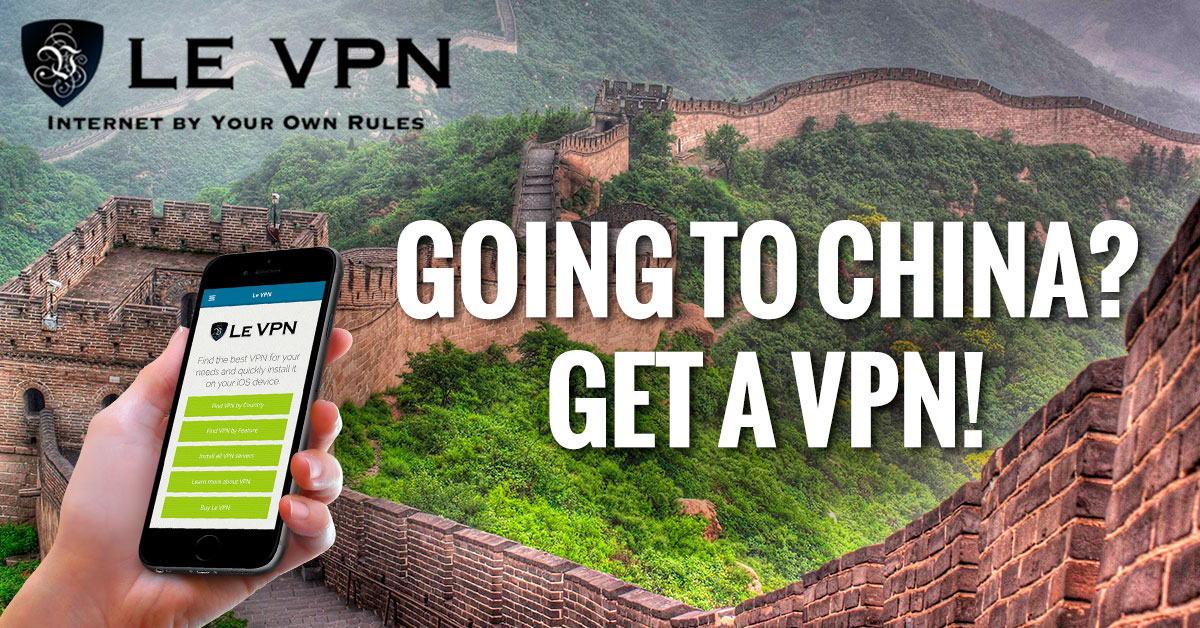
Le VPN Allows You To Access The Web Within High Restrictions
The internet was designed to be open, but in a growing number of countries it isn’t. Governments filter what their citizens can see, ISPs block entire categories of websites, and corporate or campus networks lock down everything that isn’t on an approved list. If you live in, work in, or travel to a heavily restricted region, the sites and apps you rely on every day - search engines, social networks, messengers, news outlets - can simply stop working. A VPN is the most reliable way to get them back.
How internet restrictions actually work
Censorship isn’t one single technology. Restrictive networks combine several methods:
- DNS blocking - when you type a blocked site's address, the network's DNS servers refuse to tell your device where it lives.
- IP blocking - the network drops all traffic to the servers that host a banned service.
- Deep packet inspection (DPI) - equipment examines your traffic in real time and cuts connections that look like a banned service, or like a VPN.
- Keyword and URL filtering - individual pages are blocked based on their address or content.
China’s Great Firewall is the best-known example, blocking Facebook, Instagram, WhatsApp, YouTube, X (Twitter), Google services, and most Western news sites. But similar filtering - at different levels of intensity - operates in Russia, Iran, Myanmar, and dozens of other countries, and lighter versions of the same techniques run on school, hotel, and office networks worldwide.
What a VPN does about it
A Virtual Private Network creates an encrypted tunnel between your device and a server in another country. Everything you do online travels through that tunnel. The result solves censorship at every layer:
- The local network can't see what you're accessing - only encrypted traffic to a single server - so DNS, IP, and keyword filters have nothing to match against.
- Websites see the VPN server's IP address, not yours. Connect to a server in the US, UK, or Japan and you browse as if you were physically there.
- Your ISP and network administrator can't log the pages you visit or the services you use.
You can confirm your new virtual location at any time with Le VPN’s IP address test page.
When the network blocks VPNs themselves
Heavily censored countries don’t stop at blocking websites - they actively hunt VPN traffic using deep packet inspection. An ordinary VPN connection has a recognizable signature, and restrictive networks can detect and cut it.
This is why Le VPN offers Stealth WireGuard, an obfuscated protocol that disguises VPN traffic so it doesn’t look like a VPN at all. It’s built specifically for restrictive environments and works in heavily censored countries such as China, Russia, Iran, and Myanmar, as well as on aggressive corporate and campus firewalls. Alongside it, Le VPN supports OpenVPN, standard WireGuard, and IPSec/IKEv2, so you can switch protocols until you find the one that connects reliably on your network.
One practical tip: if you’re travelling to a country that blocks VPN websites, install and set up your VPN before you arrive. Once you’re behind the firewall, reaching the download page itself may be difficult.
Why choose Le VPN in restricted regions
- 100+ server locations across the Americas, Europe, the Middle East, Asia-Pacific and Africa - browse the full list on the servers page. Wherever you are, there's a nearby exit point for speed and a distant one for freedom.
- Strong encryption on every connection, so even on monitored networks your activity stays private.
- Apps for every device - Windows, macOS, iOS, and Android - with up to 10 simultaneous connections per account, so your laptop and phone are covered at the same time.
- Protocol flexibility, including Stealth WireGuard for networks where ordinary VPNs fail.
Take back the open internet
Whether you’re an expat keeping in touch with home, a journalist working in a restrictive country, a student on a locked-down campus network, or a traveller who just wants their usual apps to work, a VPN puts you back in control of your own connection. Le VPN comes with a 30-day money-back guarantee on your first purchase, so you can test it in your environment with no risk. Subscribe to Le VPN and access the web on your terms - no matter how restricted the network around you is.
About the author
Le VPN Blog Contributor
Shalini Nagaonkar is a longtime contributor to the Le VPN blog, writing on cyber security, digital privacy, and how to stay safe online. Her articles cover everything from practical VPN use cases to the latest developments in online security.
Articles by Shalini Nagaonkar →