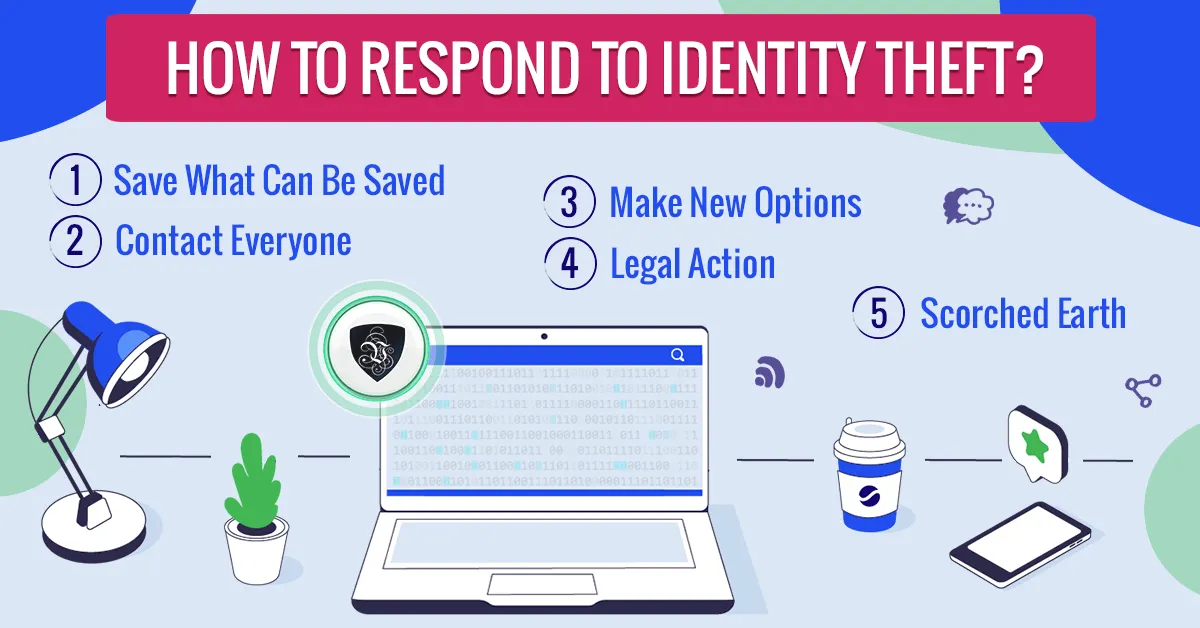
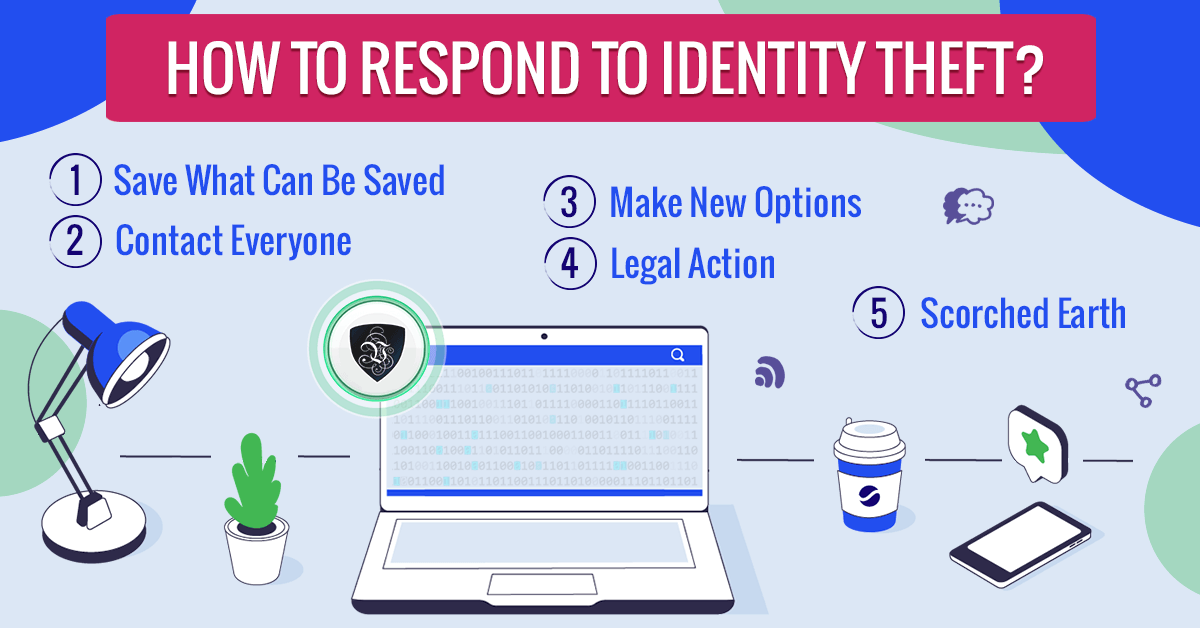
How to Respond to Identity Theft?
Short of problems that spill into the physical world, having your identity stolen is among the worst things that can happen to you online. Someone else is out there opening accounts, taking loans, or running scams - as you. And even if you do everything right to protect your data, you should still have a protocol for how to respond to identity theft ready before it ever happens. When the moment comes, you won’t have the calm to invent one.
Because identity theft is traumatic and its consequences compound quickly, speed matters more than anything. A pre-made plan - who to call, what to freeze, which passwords to change first - can shrink weeks of damage into a bad afternoon.
Prevention Is Better than the Cure
As with your health, it’s always better to take precautions than to treat the disease. If you understand how identity theft happens - phishing, data breaches, unsecured networks, over-shared personal details - you already know most of what to guard.
Two habits do the heavy lifting. First, encrypt your connection: using a personal VPN like Le VPN keeps your logins and personal data unreadable on public Wi-Fi, which is one of the most common places credentials get stolen. Second, compartmentalize your identity: different passwords everywhere, separate email addresses for banking and casual signups, and as little personal information in public as possible. That way, even if one block of data is compromised, the rest of your identity stays intact.
And remember: even after an attack begins, prevention continues. While you chase down the damage already done, you must simultaneously close the doors that are still open.
No Point Crying Over Spilt Milk
The moment you notice mysterious card charges, letters from companies you’ve never dealt with, login alerts you didn’t trigger, or a loan application you never made - the clock is running.
First, confirm it. Call your bank and check recent activity; request your credit report from the credit bureaus and look for accounts or inquiries you don’t recognize. If the answer is bad, jump into action that instant. Anger and despair can come later, once you’re safe.
Step 1 – Stop the Bleeding
Contact your bank immediately and have compromised cards blocked and reissued. Flag the fraudulent transactions and ask for a dispute - most banks have a dedicated fraud line exactly for this. Secure your payment services (PayPal and the like) by locking the accounts or changing their credentials.
Then change all your passwords, starting with the most critical: your primary email first (it can reset everything else), then banking, then social media, then the rest. Make each new password unique, follow our password security tips, enable two-factor authentication everywhere it’s offered - and do all of this from a device you trust, over a VPN-encrypted connection, never from the network where you suspect the compromise happened. Back up your important documents and data offline while you’re at it.
Step 2 – Contact Everyone
Start with the essentials and go as broad as needed: your bank, the credit bureaus (place a fraud alert or credit freeze so no new accounts can be opened in your name), the police for an official report - you’ll need that report number for disputes - and your country’s fraud reporting service (in the US, IdentityTheft.gov; most countries have an equivalent). If your workplace credentials might be involved, tell your employer’s IT team too.
Also tell your friends and family. They’re unlikely to be affected directly, but scammers love using a stolen identity’s social media accounts to run “I’m stranded, send money” cons on everyone you know. A simple warning defuses that - and honestly, the emotional support at this moment is no small thing either.
Step 3 – Rebuild on Clean Ground
With the immediate fires out, rebuild your compromised infrastructure. Ask your bank about new account numbers - you can often keep your credit history and benefits at the same institution while retiring every number the thief knows. Update any details the fraudster had, and consider a new phone number if it was part of the stolen data.
Create a fresh email address for banks and important institutions only - one the scammer has never seen and cannot intercept - and keep it strictly off signup forms. When setting up these new accounts, connect through one of Le VPN’s servers so your real IP address never links your new identity infrastructure to the old, watched one.
Step 4 – Legal Action
Once your private information is secured, consult a lawyer - some specialize in identity theft and can shield you from the legal fallout: debt collectors chasing loans you never took, accounts opened in your name, or worse. Bring your police report, your dispute records, and a written timeline of everything you found and did.
Be realistic: perpetrators are sometimes caught and prosecuted - identity fraud carries serious prison sentences in many countries - but actually recovering damages from them is rare. The legal work is mostly about cleanly severing you from everything done in your name.
Step 5 – Monitor for the Long Tail
Identity theft has an echo: stolen data gets resold and reused months or years later. Keep checking your credit reports regularly, keep fraud alerts active, and watch for signs of round two. Le VPN’s mobile apps include Breach Detection, which scans leaked credential databases and emails you if your address appears in a new breach - an early-warning system for exactly this scenario. Treat every unexpected “account verification” email with suspicion from now on; you’re on someone’s list.
Conclusion
Responding to identity theft is never easy, but with a good hold over your data and a fast, methodical response, the consequences don’t have to get severe. The faster you react, the better everything goes.
Better still is never appearing on the thieves’ radar. Using Le VPN - encrypted connections on every device, servers in 100+ locations, up to 10 simultaneous connections, and a 30-day money-back guarantee on your first purchase - alongside sound cyber hygiene makes you a far harder target in the first place, and a faster-recovering one if the worst ever happens.