What is a VPN used for? 15 Cool & exciting ways how to use a VPN
What does a VPN do? How to use a VPN? What is a VPN used for? A VPN connection is only for privacy, right? Wrong! Read on to discover 15 cool ways how to use a VPN you never knew existed.
What does a VPN do? The added value of a good VPN connection
VPNs, virtual private networks, have long been used to ensure Internet privacy. They provide a level of privacy for computers and Internet users you just can't get anywhere else. So, what is a VPN connection? A VPN creates an encrypted tunnel through which your connection to the Internet is routed, preventing prying eyes from seeing your data and activities. To do this, your Internet connection is routed through remote VPN servers, masking your IP address and encrypting your traffic so that hostile or unwanted third parties can't identify you, your network, or your computer. The classic VPN use case is business: remote workers accessing a private company network without fear of compromise. But if you're not a remote worker, you may be asking - why use a VPN at all? Believe it or not, the benefits of using a VPN go far beyond mere privacy. There are dozens of situations where you may want, or need, to use a VPN that you had no idea existed. Read on to find out what a VPN does, what a VPN is used for, and why you should use one.
What is a VPN used for? A Few Cool Reasons Why Use a VPN:
 1. Watch YouTube and Other Streaming Sites Without Your ISP Slowing You Down.
Video streaming is by far the biggest consumer of internet bandwidth in the world today - services like YouTube and Netflix account for a huge share of all traffic online. Because of that, some ISPs throttle video traffic during peak hours to cut back on usage, which means lower resolution, more buffering, and a worse experience for you. A VPN encrypts your traffic so your ISP can't tell that you're streaming, which makes selective throttling of video traffic much harder. If your favorite streaming site mysteriously buffers every evening while the rest of your connection feels fine, a VPN is well worth a try.
 2. Play Games Without Your ISP Slowing You Down.
Streaming video isn't the only traffic ISPs target. Online gaming, game downloads and updates can also get deprioritized - modern games regularly ship updates measured in tens of gigabytes, and peer-to-peer distribution systems used by some launchers are a classic target for throttling or outright blocking. Using a VPN for online gaming prevents your ISP from singling out your gaming traffic and slowing your experience, and it can also protect you from denial-of-service attacks by other players, since your real IP address stays hidden.
 3. Watch Free Streaming TV in Other Countries.
To stay relevant in the streaming era, nearly all major TV channels around the world offer free streaming on their websites - national broadcasters like the BBC and ITV in the UK, or the big networks in the US, put much of their programming online at no charge. The only restriction, in most cases, is that viewers must be located in the country of origin. To get around this, all you need is a VPN connection. A VPN reroutes your traffic so you appear to be located in a different country - the UK if you want to watch BBC iPlayer or ITV, for example. A good VPN provider, like Le VPN, has servers in 100+ locations, so you can pick where your IP address appears to be. For UK catch-up TV, any Le VPN UK server works for BBC and ITV.
 4. Avoid Eavesdropping.
It is all too easy for third parties to eavesdrop on your connection. It's harder on a private network at home or in the office, but very easy on a public connection like those in airports, hotels, and cafes. The biggest problem with public WiFi security is that the connections are often poorly secured - sometimes without even a password - which makes them prime hunting grounds for anyone who wants to compromise your privacy. If you doubt how much monitoring is possible, look at the hundreds of apps sold for "legitimate" purposes like tracking your kids, your employees, or your spouse - then imagine what a genuinely malicious actor can do. A VPN solves this problem at the root: it encrypts all your data before it leaves your device, so anything an eavesdropper intercepts is unreadable.
 5. Shop Online While Abroad.
One of the perks of traveling abroad is shopping - you get access to stores, products, and prices you might not get at home. But there's a catch: using a credit or bank card issued in one country while connecting from another can easily raise fraud red flags. The merchant may be trying to protect you from a stolen card, but the result is the same - extra verification steps, delayed orders, or a blocked purchase altogether. Using a VPN server located in your home country keeps your connection looking consistent with your card, which helps prevent those red flags and makes shopping abroad far less of a hassle.
 6. Unlock International Libraries of Geo-Restricted Content.
Unlocking geo-restricted content is one of the most popular reasons to use a VPN. Sports streaming is probably the biggest example - fans don't hesitate for a second when their favorite match is only streamed outside their physical location. Media and content sites are often restricted due to licensing agreements, copyright rules, or censorship, and many services offer different content in different countries even when they operate in both. Connecting through a VPN server in the content's home country makes you appear to be located there too. One honest caveat: large streaming platforms actively detect and block VPN IP addresses, so no provider can promise every service will work every time - if one server is blocked, try another location.
 7. Safely Connect To Any WiFi.
WiFi connections, no matter how secure you think they are, have vulnerabilities. At the very least, you can be kicked off the network; at worst, you face hacking or traffic interception. A hacker can be an individual, an organization, or a state actor, but in every case they're an unwanted threat to your privacy and security. With a VPN app on your phone or laptop - like the Le VPN app - you can connect to any WiFi network, anywhere, and know that everything you send and receive is encrypted end to end between your device and the VPN server.
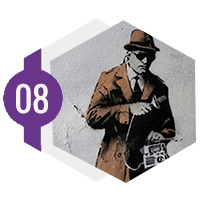 8. Avoid Detection When Researching The Competition.
There are times when anonymity is crucial to your work. Take internet research: any time you visit a website, a log is kept of your visit, and the site owner can use analytics tools to follow the trail you leave - your network, your location, your repeated interest in their pages. If you're researching a competitor, or any site you'd rather not alert to your visits, use a VPN. The website will still log a visit, but it will be from an anonymous IP address that isn't yours, and the trail stops at the VPN server.
 9. Protect Your VOIP Communication.
One of the more unique uses for a VPN is protecting your voice and video calls. Internet calling services - WhatsApp, Skype, Zoom, Telegram and the rest - are harder to intercept than they once were, but they are by no means immune to censors, hackers, and geo-restrictions. In several countries, VOIP services are partially or completely blocked to protect telecom revenues or to control communication. The risk of interception or blocking increases sharply if your call originates from a country where the internet is heavily monitored. Routing your calls through a VPN encrypts the traffic and makes it look like ordinary data, keeping private calls private and blocked calling apps reachable.
 10. Avoid "The List".
Agencies around the world - from copyright enforcement bodies to national signals-intelligence agencies - constantly monitor the internet for shared and downloaded files. Not all downloads and file shares are illegal, but that doesn't stop monitoring systems from logging your IP address if they can identify you. Torrent clients themselves provide little real protection against identity leaks. If you want to legally download and share files without ending up in somebody's database, a VPN is the only serious way to go: your real IP address never appears in the swarm.
 11. Unblock Social Media.
Social media is one of the most heavily censored corners of the internet. Some governments block platforms permanently to control the flow of information - China, Iran, and North Korea are the best-known examples - while others impose temporary blocks during elections, protests, or even school exam periods. Whatever the official reason, the block doesn't discriminate: everyone loses access. A VPN gets around these blocks by tunneling your connection to a server in a country where the platforms are freely available. In heavily censored countries where standard VPN traffic itself is blocked, Le VPN's Stealth WireGuard protocol uses obfuscation to disguise VPN traffic and get through deep packet inspection.
 12. Save Money On VOIP Calls.
Internet calling is popular for good reason: it's easy, it works anywhere there's a connection, and it's usually far cheaper than traditional long-distance calling. But "cheaper" isn't always cheap - calling rates to phone numbers can vary significantly depending on where you appear to be calling from. With a VPN, you can choose a server located in the country you're calling and take advantage of local rates and locally available calling plans.
 13. Save Money Booking Airline Tickets And Car Rentals.
The first step to saving money on flights is comparing prices online. The problem is that travel sites, car rental agencies, and airlines use cookies, geolocation, and other data collection to profile you as a customer. The more interested you seem, the less incentive they have to show you a bargain - and fares can differ based on the country you're browsing from. A VPN helps on both fronts. By staying anonymous, you prevent sites from building a profile of your repeated searches; by placing your IP address in a different country, you can compare regional prices for the same trip and book from wherever the deal is best.
 14. Hide Your Real Location, Make Yourself "Virtually" At Home.
There are times away from home when it pays to hide your real location. Maybe you're traveling and would rather co-workers, employers, or worse - potential thieves - not know you're away. Burglars have been known to target people who broadcast their vacations online. With a VPN, you simply choose a server in your home country, and to any website or service you use, you never left. It's a small trick with real security value, especially combined with common sense about what you post while traveling.
 15. Access UseNet To Share Files. How to? VPN!
UseNet has been around since the earliest days of the internet. It started as a way for users to meet and chat, and although forums and social media long ago stole the spotlight, it remains a powerful way to share files, with real advantages over torrents. The problem is that many ISPs block or throttle UseNet access because of its file-sharing reputation - even though plenty of what's shared there is perfectly legal. To access UseNet safely and avoid ISP blocking, all you have to do is use a good VPN.
So, how to get a VPN? Where do I get my VPN?
By now the benefits of using a VPN should be obvious. There are dozens of VPN services out there, but like everything in life, they are not all the same. You may be tempted to use a free one - that would be a mistake. Free VPNs typically pay their bills by capturing your data and selling it to third parties, which negates the entire point of using a VPN in the first place.Le VPN comes with everything you need to keep your internet use safe and private: servers in 100+ locations across the Americas, Europe, the Middle East, Asia-Pacific and Africa; strong encryption with modern protocols - OpenVPN, WireGuard, Stealth WireGuard and IPSec/IKEv2; unlimited speed and data; and up to 10 simultaneous connections, so one account covers your computer, phone, and tablet at the same time. Easy-to-use apps for Windows, Mac, Android, and iOS make setup seamless, and a HybridVPN/SmartDNS option is available for streaming on devices that can’t run VPN software. Every first purchase is backed by a 30-day money-back guarantee, so you can try it entirely risk-free. Don’t wait for a breach of your privacy - subscribe to Le VPN now.
How to Use a VPN: 3 easy steps
- Download and install the Le VPN app for your device, then log in with the VPN credentials from your activation email.
- Click "Select another location" to choose the server location you want, then click "Connect".
- Once the status changes to "Connected" - you are successfully connected to Le VPN. You can verify your new location on the IP address test page.
About the author

Guest Author
Vuk Mujović is the founder of MacTíre Consulting, an analyst, data management expert, and a long-term writer on all things business & tech. He authored blogs, articles, and opinion pieces aimed to help both companies and individuals achieve growth without compromising their security.
Articles by Vuk Mujović →