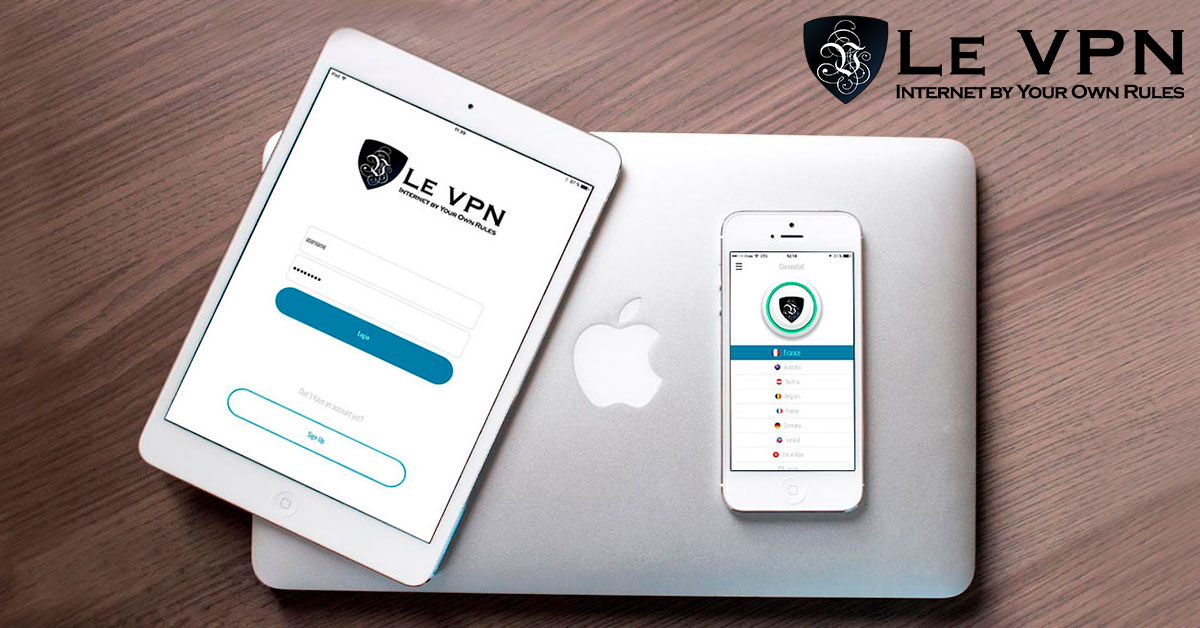
Three Simple Methods To Setup A VPN Apple TV
Apple TV is a brilliant streaming box with one notable gap: tvOS doesn’t let you install a general-purpose VPN app the way an iPhone or Mac does. So how do you get the benefits of a VPN - privacy, and access to content from other regions - on the big screen? The answer is to put the VPN around the Apple TV rather than on it. The best VPN for Apple devices, Le VPN, walks you through three simple methods that work with any Apple TV model.
Why use a VPN with Apple TV?
Two main reasons. First, privacy: routing your streaming traffic through an encrypted tunnel keeps your ISP from logging and profiling what you watch. Second, location: streaming apps decide what to show you based on your IP address. Route the Apple TV’s traffic through a VPN server in another country - say, a UK server to reach BBC or ITV from abroad - and the apps see that country instead. Since the Apple TV can’t run the VPN itself, you make another device do the encrypting on its behalf.
Method 1: Share a VPN connection from your laptop over Wi-Fi
The easiest approach if you have a laptop. You’ll need:
- A laptop (Windows or Mac) with an Ethernet or Wi-Fi internet connection
- A Le VPN subscription
- The Le VPN app for your operating system
Here’s the process:
- Install the Le VPN app and log in with your VPN credentials.
- Connect to the VPN server of your choice - for example, any UK server for British TV.
- Turn your laptop into a Wi-Fi hotspot. On Windows, go to Settings → Network & internet → Mobile hotspot and share your VPN-protected connection. On a Mac, use System Settings → General → Sharing → Internet Sharing (note: a Mac can't share the same Wi-Fi interface it's using for internet, so this works best when the Mac is online via Ethernet and shares over Wi-Fi).
- On the Apple TV, open Settings → Network and join your laptop's hotspot. Done - everything the Apple TV does now travels through the VPN tunnel.
Method 2: Run the VPN on your router
The most permanent solution: set up the VPN on a compatible wireless router, and every device that connects - Apple TV included - is automatically protected. You’ll need:
- A Le VPN subscription
- A router that supports VPN client connections (many routers, including those running firmware like OpenWrt, ASUSWRT, or DD-WRT, can run OpenVPN or WireGuard as a client)
- A laptop or PC running the Le VPN app
- An Ethernet cable between the computer and the Apple TV
- Windows: open Network connections (Control Panel → Network and Sharing Center → Change adapter settings), right-click the VPN adapter → Properties → Sharing, and allow other network users to connect through it, selecting the Ethernet adapter.
- Mac: go to System Settings → General → Sharing → Internet Sharing, share your connection from Wi-Fi to devices using Ethernet.
- Occasional use: Method 1 (laptop hotspot) - zero extra hardware, five minutes of setup.
- Whole-home, always-on: Method 2 (VPN router) - set it once and forget it.
- Best stability near your desk: Method 3 (Ethernet sharing).
Load your Le VPN configuration onto the router - OpenVPN configuration files are available to download from the client area, and WireGuard configurations can be generated there too. Then simply connect your Apple TV to that router’s network, by Wi-Fi or Ethernet. A bonus of this method: the router counts as a single device, no matter how many gadgets sit behind it, which stretches your 10 simultaneous connections a long way.
Method 3: Share a VPN connection over Ethernet
If your Apple TV sits near your computer, a cable connection is stable and fast. You’ll need:
Connect to Le VPN on the computer, then share that connection over the Ethernet port:
Plug the other end into the Apple TV, set its network to wired, and you’re streaming through the VPN.
Bonus: HybridVPN and SmartDNS
Le VPN also offers HybridVPN/SmartDNS - a DNS-level unblocking approach that can suit streaming devices. Instead of tunneling all traffic, you point your network’s DNS settings at Le VPN’s SmartDNS servers, and supported channels are unblocked without any VPN software on the device. It doesn’t encrypt your traffic like a full VPN, but it’s a lightweight option for set-top boxes.
Which method should you choose?
Whichever you pick, you get Le VPN’s servers in 100+ locations across the Americas, Europe, the Middle East, Asia-Pacific and Africa, strong encryption, and a 30-day money-back guarantee on your first purchase. Check the full list on the Le VPN servers page, set up the method that fits your living room, and enjoy seamless entertainment on your Apple TV with Le VPN.
About the author
Le VPN Blog Contributor
Shalini Nagaonkar is a longtime contributor to the Le VPN blog, writing on cyber security, digital privacy, and how to stay safe online. Her articles cover everything from practical VPN use cases to the latest developments in online security.
Articles by Shalini Nagaonkar →