How to explain the Oct 21st Internet Giant Cyberattack
On October 21st, 2016, a huge portion of the American internet simply stopped working. Twitter, Spotify, Reddit, Airbnb, Netflix, PayPal, CNN, The New York Times and dozens of other major websites became unreachable for millions of users. The cause wasn't a failure at any of those companies — it was a massive distributed denial of service (DDoS) attack on Dyn, a major DNS provider they all relied on. Years later, the "Dyn attack" remains one of the most instructive cyberattacks in internet history, because the weaknesses it exposed are still with us.
What actually happened on October 21st?
Dyn was hit by three successive waves of attack traffic over the course of the day. The company described the assault as well planned and executed, arriving from tens of millions of IP addresses at once. Its engineers mitigated each wave, but while the attacks raged, DNS queries handled by Dyn slowed to a crawl or failed entirely — and with them, access to a huge slice of the web. The affected services read like a directory of the modern internet: social networks (Twitter, Reddit, Pinterest), streaming platforms (Netflix, Spotify, SoundCloud), payment services (PayPal, Braintree), news outlets (CNN, Fox News, the BBC, The New York Times), developer tools (GitHub, Basecamp, PagerDuty), gaming services (PlayStation Network, EVE Online, RuneScape), and many more. The FBI and Homeland Security opened investigations.
Why one attack could take down so many websites
To understand how a single attack knocked out so much of the web, you need to understand DNS — the Domain Name System. DNS acts as the internet's phone book: when you type a website's name, a DNS server translates it into the numerical IP address your device actually connects to. If the DNS provider that answers queries for a website is down, your browser can't find the site — even though the site itself is running perfectly.
Dyn provided managed DNS for a large share of major internet companies. By attacking that single point of failure, the attackers effectively tore the page out of the phone book for all of them at once. It was a lesson in how centralized the supposedly decentralized internet had become — one that pushed many companies to spread their DNS across multiple providers afterwards.
The Mirai botnet: an army of hacked gadgets
The second lesson was where the attack traffic came from. The assault was powered largely by the Mirai botnet — not a network of infected computers, but of hijacked Internet of Things devices: security cameras, video recorders, home routers, and baby monitors. Mirai spread by simply trying factory-default usernames and passwords on devices exposed to the internet. It worked frighteningly well, because millions of connected gadgets ship with default credentials their owners never change.
That problem hasn't gone away. Every insecure smart device in a home is a potential recruit for the next botnet — which is why changing default passwords and keeping device firmware updated matters for everyone, not just the device's owner.
What can you do to protect yourself?
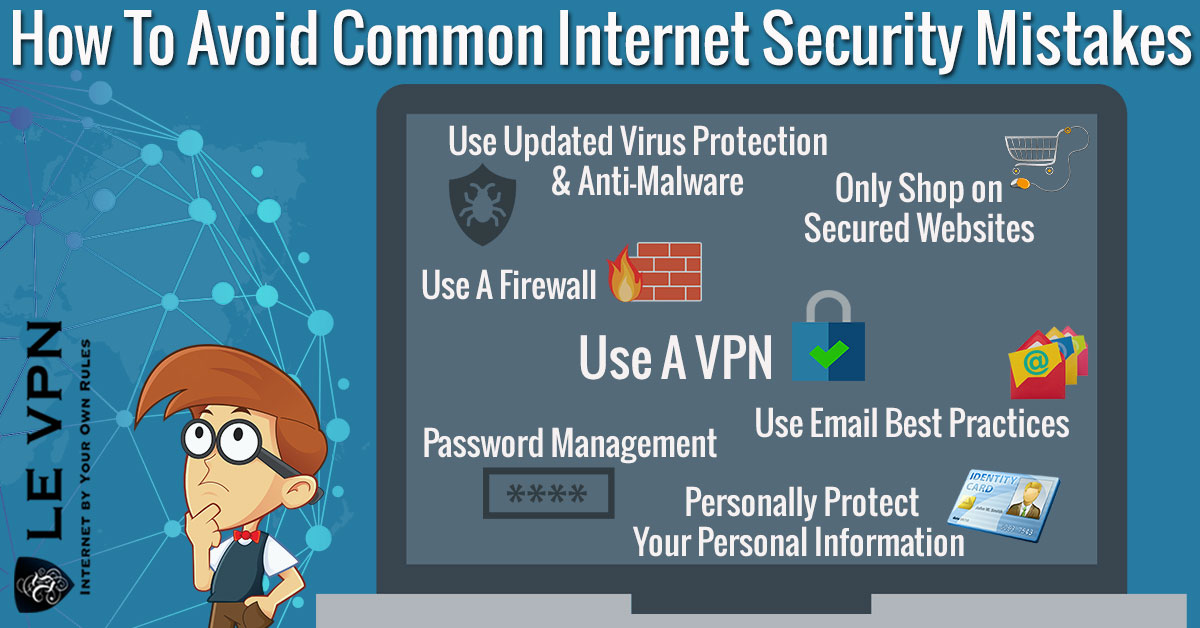
No individual can prevent a DDoS attack on internet infrastructure, but the event holds practical lessons for personal security:
- Secure your connected devices. Change default passwords on routers, cameras, and smart-home gadgets, and install firmware updates. Don't let your devices join a botnet.
- Encrypt your traffic. A VPN protects the data you send online, so no one can listen in or capture your email and banking credentials — even on unprotected Wi-Fi. Le VPN encrypts your connection with strong AES-256 encryption, so intercepted traffic is useless to an attacker.
- Reduce your exposure. Routing your traffic through a VPN server hides your real IP address, making you a harder target for the network-level attacks and scans that constantly sweep the internet. Le VPN offers servers in 100+ locations worldwide, supports modern protocols including WireGuard and OpenVPN, and covers up to 5 devices simultaneously.
- Have a fallback. Outages like the Dyn attack remind us that even giant services fail. Keep critical data backed up and know alternative ways to reach the services you depend on.
The October 21st cyberattack proved that the internet's weakest links are often invisible until they break — a DNS provider you've never heard of, a webcam with a default password. You can't fix the infrastructure, but you can harden your own corner of it. Get Le VPN and browse with your connection encrypted from your tablet, smartphone, or computer — with a 30-day money-back guarantee on your first purchase.