How to avoid online IP Tracking used by airline companies
You find a tempting round-trip fare on Monday. You sleep on it, discuss it over dinner, and come back on Thursday to book - and the same flight now costs 10% more. Coincidence? Sometimes. Seats do sell and fares genuinely fluctuate. But travel booking is also one of the most aggressively tracked corners of the internet, and returning visitors are anything but anonymous.
This is the practice travelers call IP tracking: travel sites recognizing you - by your IP address, cookies, and browser fingerprint - and adjusting what they show you based on your previous visits, your location, and what they infer about your willingness to pay. Here is how it works, and how to shop for flights without wearing a name tag.
How Travel Sites Recognize You
When you search for a fare, a booking site can identify you across visits through several overlapping signals:
- Your IP address - the number your connection presents to every website. It marks you as a returning visitor and reveals your country and approximate city, which alone can influence pricing: the same route may be offered at different prices to shoppers in different markets, or in different currencies with very different conversion rates.
- Cookies - small files the site stored during your first visit, announcing "this is the person who searched Bangkok twice this week."
- Browser fingerprinting - the combination of your device, screen, fonts, and settings, distinctive enough to recognize you even with cookies cleared.
A site that knows you’ve searched the same route three times knows something valuable: you are close to buying. Displaying a rising price at that moment (“book now before it goes up again!”) is a powerful nudge - whether or not the underlying fare actually changed.
Regulators have taken notice over the years. In the EU, IP addresses are treated as personal data, and consumer-protection authorities in several countries have examined personalized pricing practices in travel. But enforcement is slow and the tracking arms race is fast - which means practical self-defense beats waiting for the law.
How to Shop for Flights Anonymously
1. Hide your IP address with a VPN
The cornerstone of the strategy. Connect through a VPN and booking sites see the VPN server’s address, not yours. That does two things at once:
- It breaks visit-to-visit recognition by IP. Reconnect before your second search - or use a different server - and you arrive as a fresh visitor rather than "the person who's been eyeing this fare all week."
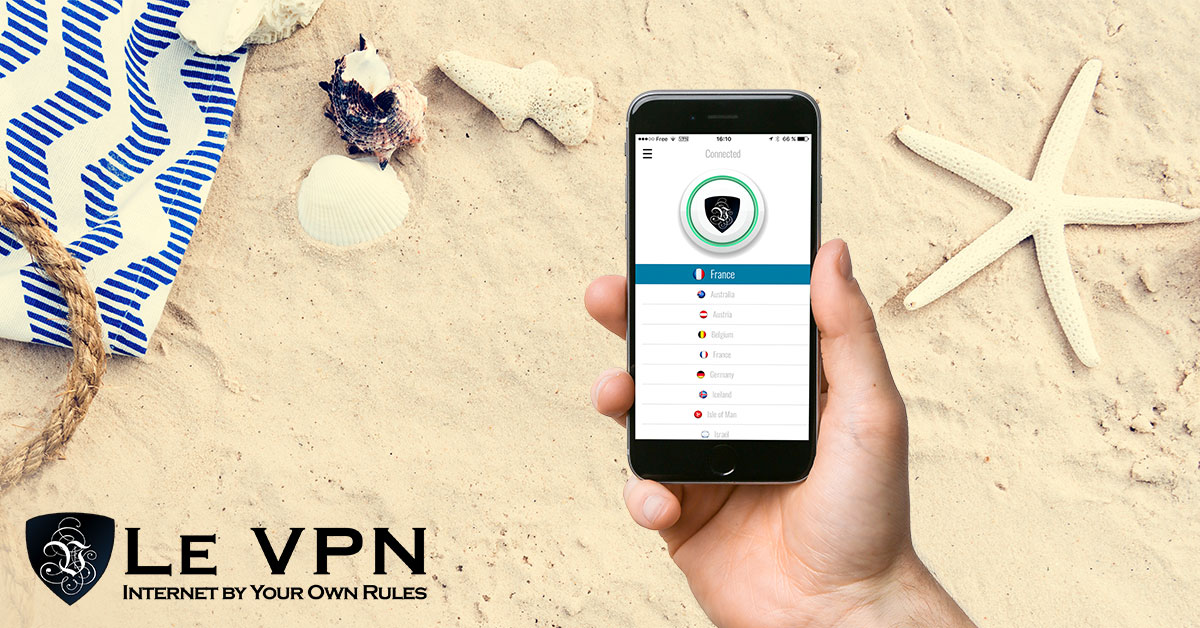
- It frees you from location-based pricing. With Le VPN's servers in 100+ locations across the Americas, Europe, the Middle East, Asia-Pacific and Africa, you can compare what the same booking looks like to shoppers in different countries - sometimes a revealing exercise. Verify your visible location anytime on the test your IP address page.
2. Clear the other trackers too
A new IP with old cookies is only half a disguise. When comparison-shopping fares:
- Search in a private/incognito window, which starts without your existing cookies and discards new ones afterwards.
- Or clear cookies for the booking sites between visits.
- Do your comparison searches logged out of the site's account - log in only when you're ready to buy.
3. Compare with a cool head
Armed with a clean profile, check the fare from a fresh session and, if you’re curious, from a second VPN location. If the “rising” price drops back for the anonymous visitor, you’ve caught the game in action. And remember that genuine fare changes exist too - anonymity removes the manipulation, not ordinary market movement.
The Bonus: Booking Travel Safely, Not Just Cheaply
There’s a second reason a VPN belongs in your travel toolkit, and it matters even more after you’ve bought the ticket. Booking and managing travel means entering payment details and personal documents - often from hotel lobbies, airports, and café Wi-Fi once the trip begins. Le VPN encrypts your entire connection with strong modern protocols (OpenVPN and WireGuard), so those transactions are shielded from whoever else is on the network. One account covers up to 10 simultaneous connections, protecting your laptop, phone, and tablet together - and the same subscription lets you reach your home services from abroad once you’re on the road.
Keep the Advantage on Your Side of the Screen
Airlines and booking platforms invest heavily in knowing exactly who is asking the price. You’re entitled to ask it anonymously. The recipe is short: VPN on, private window open, cookies cleared, compare, book.
Le VPN makes the key ingredient effortless - one click to a new IP in any of 100+ locations, on every device you travel with, backed by a 30-day money-back guarantee on your first purchase. Try it before your next trip: the subscription can pay for itself on a single fare.
About the author
Le VPN Blog Editor
Alan Summers has been writing and editing for the Le VPN blog for years, covering online privacy, cyber security, and the best ways to get the most out of a VPN. He keeps a close eye on the news that affects internet freedom around the world and turns it into practical advice for Le VPN readers.
Articles by Alan Summers →