What is cybersecurity? How does it affect our private lives?
The days when cybersecurity was a concern only for IT departments are long gone. The average person now keeps most of their life on one device or another: photos, money, conversations, work, identity documents. Yet one dangerous notion survives — “I have nothing worth stealing, so nobody would target me.” While you see your selfies as something you take when you’re bored, criminals see a ready-made identity they can use to scam other people, wearing your face.
So what is cybersecurity, really? It’s the sum of habits, software and services that keep your digital life — identity, data, devices and connections — under your control. And it affects your private life far more directly than most people assume.
What Exactly Is at Stake?
Beyond your identity, plenty of what you own digitally is enticing to someone: your browsing history (valuable to advertisers and data brokers), your IP address (a doorway to your devices and location), your processing power (hijacked for cryptomining and botnets), and your access to your employer’s systems. All of it can be turned into illegitimate gains.
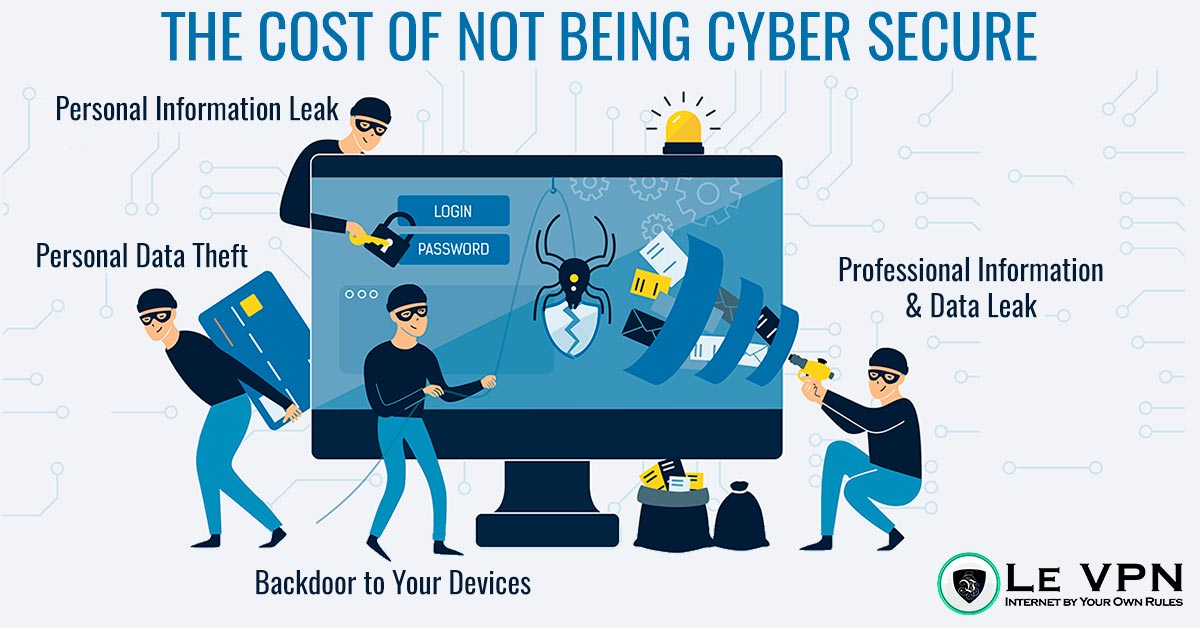
Personal information leaks
Names, addresses, ID numbers and card details fuel identity theft. Even if your bank balance is modest, a loan can be taken out in your name — and repairing your reputation and credit record often costs more time and pain than the money itself.
Personal data theft
Your files are a separate target from your identity. Ransomware encrypts them and demands payment for their return, sometimes threatening publication of private photos or documents. Stolen images also feed romance scams: profile pictures lifted from real accounts are used to defraud other victims on dating sites.
Professional spillover
If you have work access on personal devices, you’re a stepping stone. Many serious corporate breaches began on the unsecured personal device of an unaware employee. Untangling yourself from an investigation into a breach that hopped through your laptop is an experience worth avoiding — it can cost legal fees, and quite possibly your job.
Recognizing Threats: Who Is After Your Data?
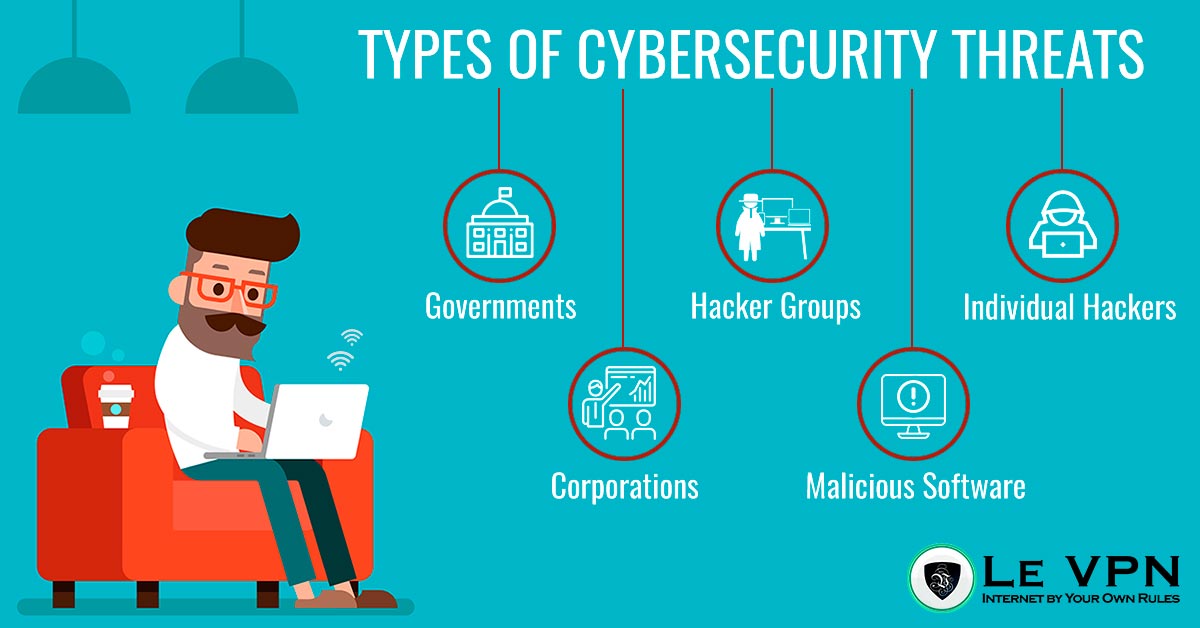
Governments
Mass surveillance isn’t limited to authoritarian regimes — the NSA disclosures showed that democracies collect citizens’ data too. In more restrictive countries, the stakes are higher: browsing, speech and even entertainment choices can carry legal consequences, which makes an encrypted connection a matter of basic safety for residents and travellers alike.
Corporations
The most persistent adversary of everyday privacy is commercial. Companies harvest browsing habits, locations and contacts to target advertising and to resell — and history’s biggest data breaches have repeatedly shown how carelessly those hoards are guarded, sometimes including data on people who were never even customers.
Criminal groups and individual hackers
Organised cybercrime runs like a business: phishing kits, ransomware franchises, stolen-data marketplaces. Individual attackers are less industrial but more personal — cyberstalking, harassment, and social-engineering tricks aimed at specific targets. Technology stops most of them; skepticism stops the rest. Be vigilant about unexpected messages, and never let anyone pressure you into “verifying” credentials.
Malicious software
Contrary to reputation, malware isn’t mostly lurking in the internet’s dark corners — it spreads where the easy targets are: social media links, fake app updates, compromised ads on ordinary websites. The users most at risk are the ones who assume they’re somewhere safe.
The Cost of Being Secure (Spoiler: It's Low)
Compared with what it protects, personal cybersecurity is cheap. For most people it comes down to three habits and two tools:
- Keep systems updated. Attacks overwhelmingly exploit holes that patches already fixed. Turn on automatic updates for your OS, apps and router.
- Use strong authentication. Unique passwords in a password manager, plus two-factor authentication on email and banking.
- Think before you click. Most breaches start with one persuasive message.
- Run a reputable antivirus on your computers.
- Use a good VPN on everything — which deserves its own section.
Installation is no longer a project: modern security apps set up in a couple of clicks, and protecting every device you own takes an evening at most. Do it when you unbox the device, not after the first scare.
Where a VPN Fits: Anonymity, Hard Target, Unusable Data
A VPN shields the layer no antivirus can: the connection itself. Le VPN encrypts your traffic with modern protocols — OpenVPN, WireGuard, Stealth WireGuard and IPSec/IKEv2 — and routes it through servers in 100+ locations worldwide. The effect shows up in three ways:
- Anonymity. Your real IP address — the identifier that links your browsing, reveals your location and enables targeting — is replaced by the server's. Trackers, data brokers and snoopers lose their anchor. See the difference yourself on the IP test page.
- A harder target. On public Wi-Fi — the airport, the café, the hotel — your traffic is sealed against interception and man-in-the-middle attacks. Attackers scanning for easy prey move on.
- Unusable data. Even when fragments of your information leak from elsewhere, they're far harder to weaponise without your real IP address and live traffic to correlate them against.
One Le VPN account protects up to 5 devices simultaneously — laptop, phone, tablet and family included — with apps for Windows, macOS, iOS and Android, plus DNS-based threat protection that blocks known malicious domains before they load. And beyond security, the same connection restores your civil liberties online: content and services blocked by local networks or borders open up again when you choose your own virtual location.
The Bottom Line
Cybersecurity affects your private life the way locks affect your home: invisibly, until the day they matter. An updated system, honest skepticism, an antivirus and a reputable VPN put you ahead of the vast majority of threats — and of targets. Get Le VPN and cover the connection layer today; your first purchase is backed by a 30-day money-back guarantee.