What is a VPN and how does it work?
A complete guide to Virtual Private Networks
- What is a Virtual Private Network?
- How to use a VPN?
- Why do I need a VPN connection on my computer, laptop and mobile device?
- When do I use a VPN?
- How do I unblock movies, latest TV shows and other media resources with a VPN?
- Why is Le VPN among the best VPN providers out there?
Why you need a VPN: key benefits and use cases

While streaming
Enjoy buffer-free streaming on BBC iPlayer, Netflix, Canal Plus and more without ISP throttling slowing you down. A VPN ensures your connection stays fast, secure, and uninterrupted for endless entertainment.
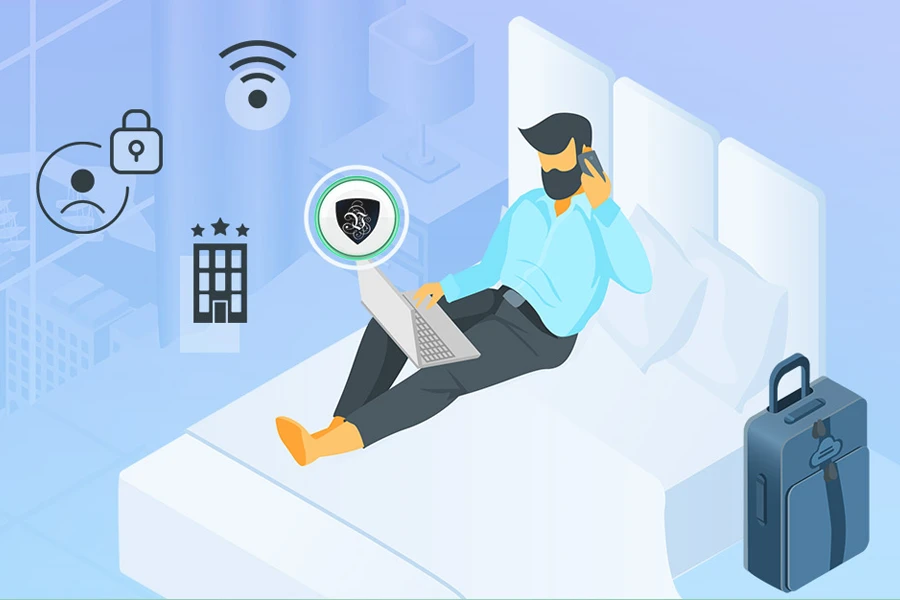
While traveling
Don't let borders limit your internet access. A VPN keeps you connected to your favorite websites, apps, and streaming services no matter where your journey takes you - just as if you never left home.
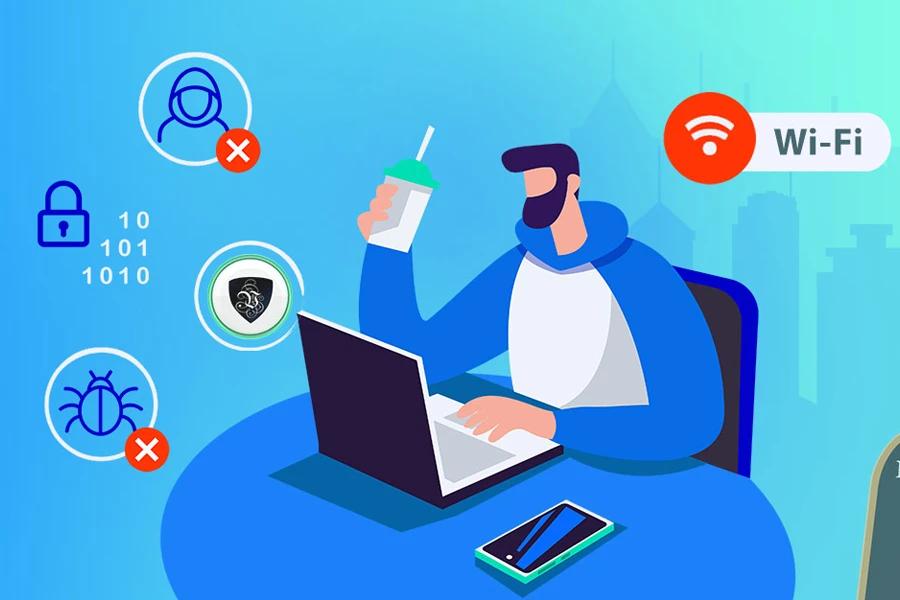
While on public Wi-Fi
Coffee shops, airports, and hotels offer convenience - but also risk. Public networks expose your data to hackers and snoopers. A VPN encrypts your connection, keeping your personal information safe wherever you connect.
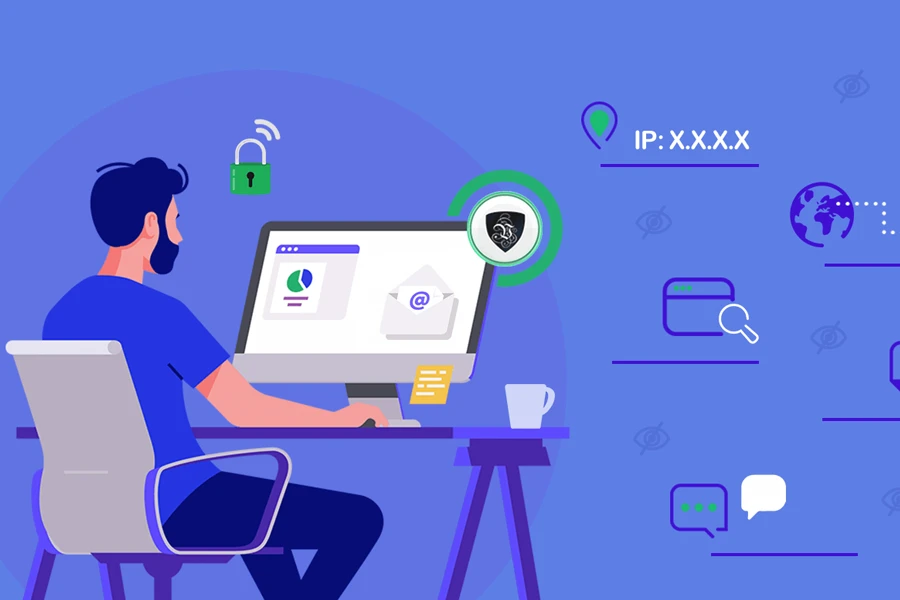
While file-sharing
P2P file sharing exposes your IP address to anyone in the network, making your activity trackable. A VPN masks your real IP, giving you anonymity and protecting your privacy while you download.

While gaming
Access region-locked games, exclusive content, and special releases that aren't available on your network. Plus, protect yourself from DDoS attacks while reducing lag and ping for a competitive edge.

While shopping
Coffee shops, airports, and hotels offer convenience - but also risk. Public networks expose your data to hackers and snoopers. A VPN encrypts your connection, keeping your personal information safe wherever you connect.
What is the purpose of a VPN?
A VPN establishes a secure, encrypted tunnel between your device and the internet. It shields your data from hackers, hides your IP address from ISPs and trackers, and keeps your online activities private.
From protecting sensitive information to accessing global content and staying safe on public networks, a VPN gives you complete control over your online privacy and security.
Who benefits the most from using a VPN?
Everyone who goes online can benefit from a VPN, but certain groups find them particularly valuable for their specific needs:

Travelers
Access your usual websites and services from anywhere in the world while keeping your connection secure on public networks at airports, hotels, and cafes.
Remote workers
Connect safely to company systems, encrypt sensitive business communications, and maintain security standards no matter where you're working from.

Streaming fans
Watch content from your home country while abroad and eliminate buffering caused by ISP throttling for uninterrupted entertainment.
Gamers
Get access to games and content unavailable in your region, lower your ping times, and defend against DDoS attacks from other players.
Privacy advocates
Encrypt your internet traffic, hide your browsing activity from ISPs and trackers, and browse anonymously without leaving digital traces.
Online shoppers
View pricing from different countries, avoid dynamic pricing based on your location, and add an extra layer of security to your payment transactions.
Real Users, Real Reasons
From protecting business data to accessing global content, our users rely on Le VPN for countless reasons. Discover the top 10 ways real clients use Le VPN - and why one subscription unlocks all these benefits and more.
Read User Stories
How does a VPN work?
A VPN creates an encrypted tunnel between your device and a secure server, protecting your data as it travels across the internet. Rather than exposing your activity to your ISP, hackers, or surveillance, everything passes through this secure connection. Your real IP address is replaced with the VPN server's address, hiding your location and identity while giving you the freedom to access global content.
What is a VPN connection?
A VPN connection is an encrypted pathway between your device and a remote VPN server. Once established, all your internet traffic flows through this protected tunnel, shielding it from hackers, ISPs, and government monitoring. Your real IP address and physical location disappear, replaced by the server's credentials - giving you anonymity and freedom online.
With this encrypted connection, you can browse safely on public networks, circumvent internet restrictions, and access content without revealing your true identity or location.
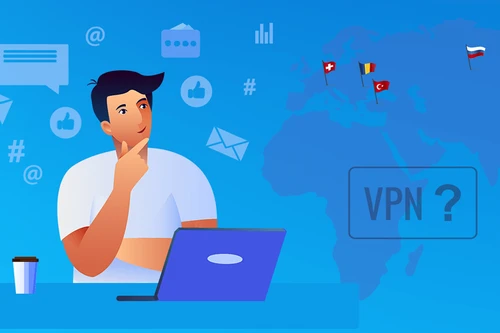
What is VPN tunneling?
VPN tunneling is the mechanism that securely transports your data through an encrypted channel from your device to a VPN server. This tunnel acts as a shield, preventing hackers, internet providers, and third-party observers from viewing your online activities. The encryption ensures that even intercepted data packets remain completely illegible.
Tunneling also replaces your visible IP address with the server's location, providing anonymity and enabling you to overcome geographic restrictions and censorship. Le VPN employs cutting-edge tunneling protocols like WireGuard and OpenVPN to deliver optimal performance, robust security, and reliable connections.
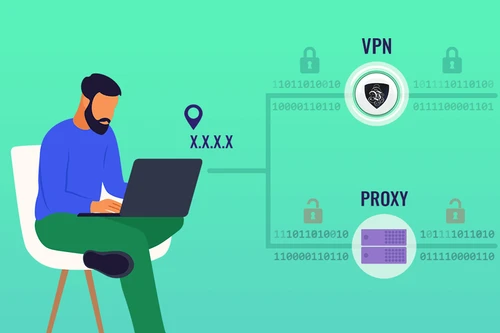
How encryption keeps your data secure
Encryption converts your readable data into complex, scrambled code that can only be decoded with the proper key. This cryptographic process ensures that intercepted data remains completely useless to hackers, surveillance agencies, or malicious actors. VPNs utilize industry-standard AES-256 encryption - a virtually unbreakable cipher - to protect all your online activity, from casual browsing to sensitive financial transactions. Regardless of network security, encryption guarantees your data stays protected from unauthorized access.
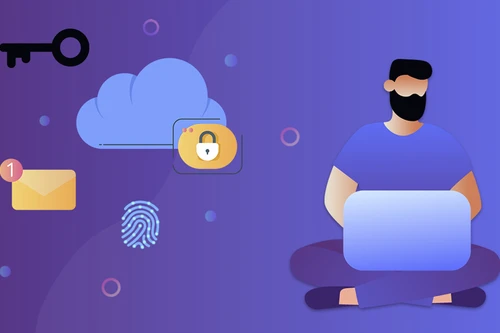
Understanding VPN protocols
VPN protocols define how your device establishes and maintains a secure connection to a VPN server. Modern protocols like OpenVPN, WireGuard, and Le VPN's Stealth WireGuard protocol deliver the optimal balance of speed, security, and reliability. These protocols create encrypted tunnels, verify data integrity, and authenticate your identity to prevent unauthorized access. Choosing the right protocol can enhance your VPN experience for streaming, gaming, or private browsing.
Older protocols such as IKEv2, IPSec, L2TP/IPSec and PPTP are also available, though they offer less robust security by today's standards. At Le VPN, we support all major protocols - giving you the flexibility to choose what works best for your specific needs and devices.
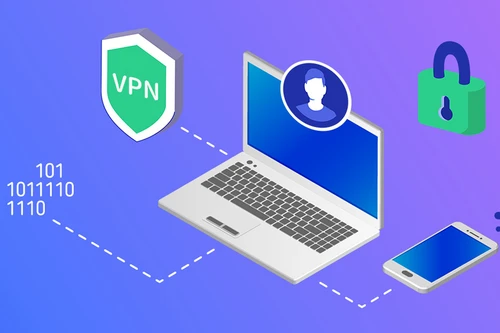
The role of VPN servers
VPN servers serve as your secure intermediary to the online world. They encrypt everything you send and receive while swapping your IP address for theirs, effectively hiding where you really are and who you are. This anonymity protects your privacy, but it also unlocks a powerful capability: browsing from virtually anywhere. By connecting to servers in different countries, you can access region-specific content and services as though you were local. A global network of secure, high-speed servers ensures your connection stays fast, private, and free from restrictions.
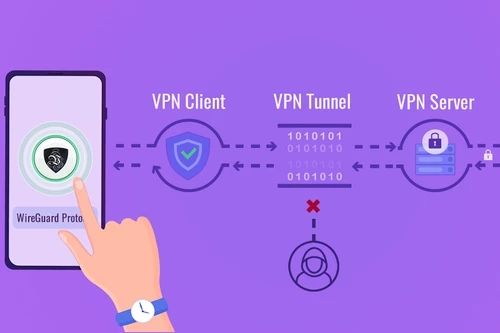
With a VPN vs. without a VPN
With a VPN active, the VPN app on your device creates an encrypted connection to a VPN server before accessing the internet. Your traffic still flows through your internet service provider, but there's a crucial difference: your ISP can no longer read your data or track which websites you're visiting. Meanwhile, the websites you access see only the VPN server's IP address - not yours. This IP is shared among thousands of users and rotates frequently, making it impossible to trace activity back to you individually.
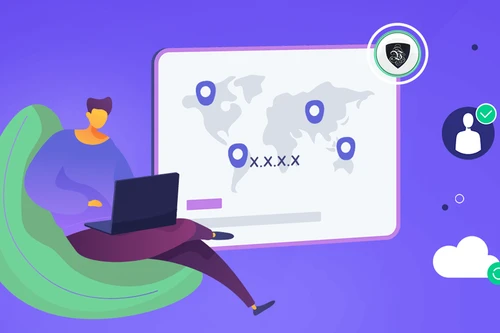
VPN protocols: how they work
VPN protocols define how your data is encrypted and transmitted between your device and the VPN server. Each protocol offers different balances of speed, security, and compatibility. At Le VPN, we support all major protocols to give you maximum flexibility and ensure compatibility with any device you use.
WireGuard®
A modern, lightweight protocol that delivers exceptional speed through streamlined code and stateless connection architecture - perfect for mobile devices and users who prioritize performance.
Stealth WireGuard®
Built on WireGuard with specialized obfuscation that removes identifiable traffic patterns targeted by Deep Packet Inspection, allowing you to bypass even sophisticated censorship systems - choose between header-only or full-channel obfuscation depending on your needs.
OpenVPN
The industry-standard protocol trusted for its reliability, strong security, and wide compatibility with routers and legacy devices. Le VPN offers both TCP and UDP versions on ports 53, 80, and 443 for maximum flexibility.
L2TP/IPSec
An older but widely supported protocol that works well on legacy systems and devices where newer protocols aren't available - offering decent security for basic protection needs.
IKEv2 & IPSec
Solid, secure protocols that excel at maintaining stable connections when switching between networks, though less commonly found on consumer devices than OpenVPN or WireGuard.
PPTP
The oldest protocol in our lineup, offering minimal security but useful for simple traffic rerouting when encryption isn't required - best suited for accessing geo-restricted content on trusted networks.
How to pick the right VPN service
With countless VPN providers claiming to offer top-tier security, how do you separate the best from the rest? The key is knowing what to look for based on your needs and holding providers to the right standards. Here's what you should evaluate.
What is a VPN provider, and why does it matter?
A VPN provider is the company behind your VPN service, and their choices directly impact your security, speed, and privacy. The best providers put your privacy first, implement strong security measures, and maintain reliable networks - essentially becoming the foundation of your digital protection.
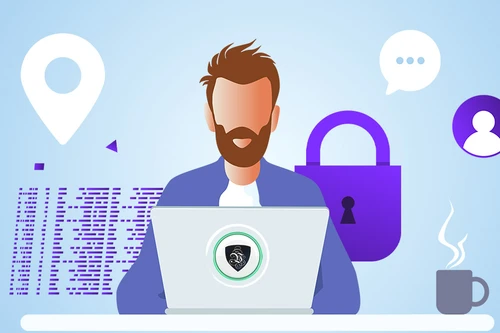
Key features to look for in any VPN
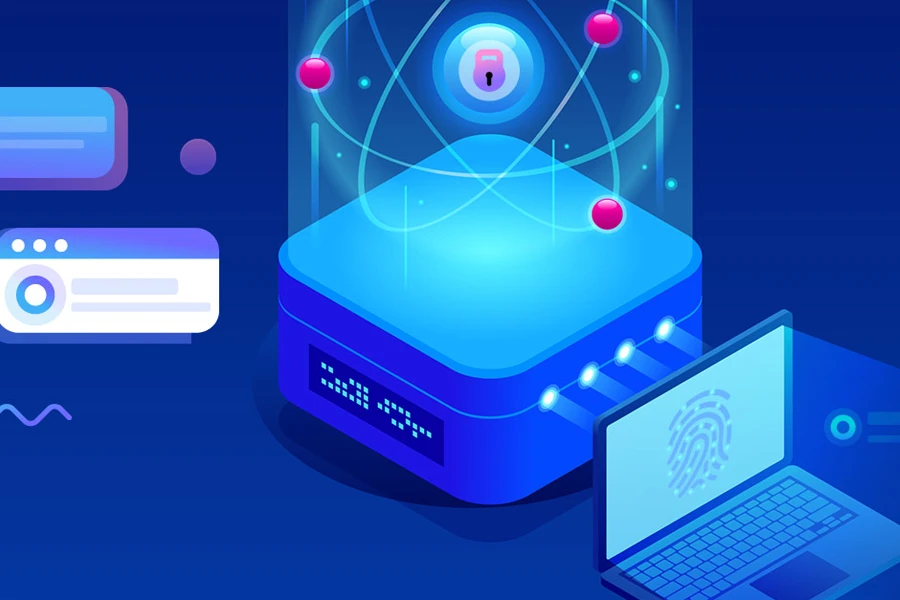
Encryption and protocols
Choose a VPN that uses the latest encryption standards and modern protocols like OpenVPN and WireGuard. Prioritize open-source protocols over proprietary "custom" solutions - open-source code can be independently audited for security vulnerabilities. Support for multiple protocols is also valuable, as it ensures compatibility with older devices and different use cases. At Le VPN, we exclusively use open-source VPN protocols for maximum transparency and security.
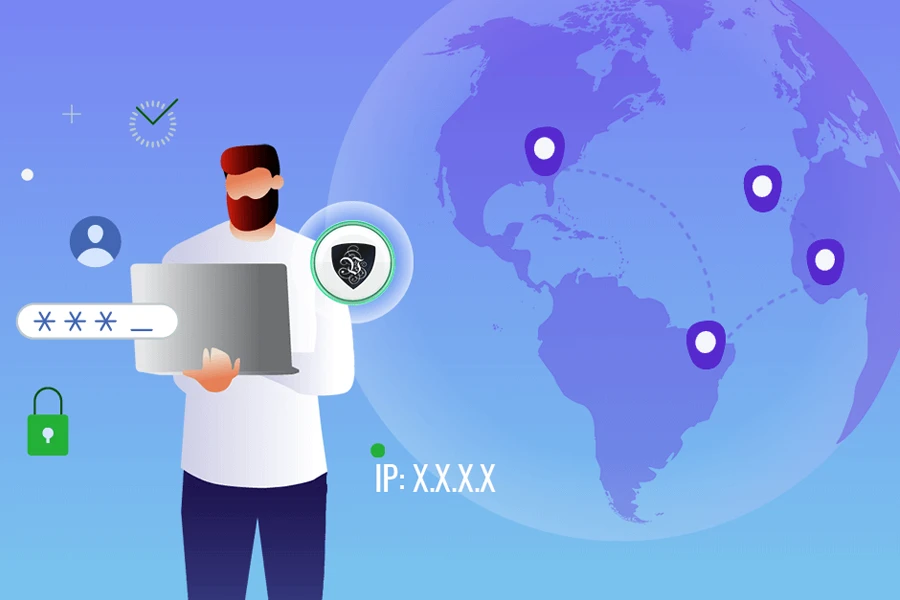
Server coverage
A strong server network in your region means faster speeds and more reliable connections. Look for providers with multiple servers near your location to reduce latency. Extensive global coverage is also a positive indicator - it demonstrates the provider's infrastructure investment and gives you more options for accessing international content. Le VPN operates servers in over 100 countries worldwide.
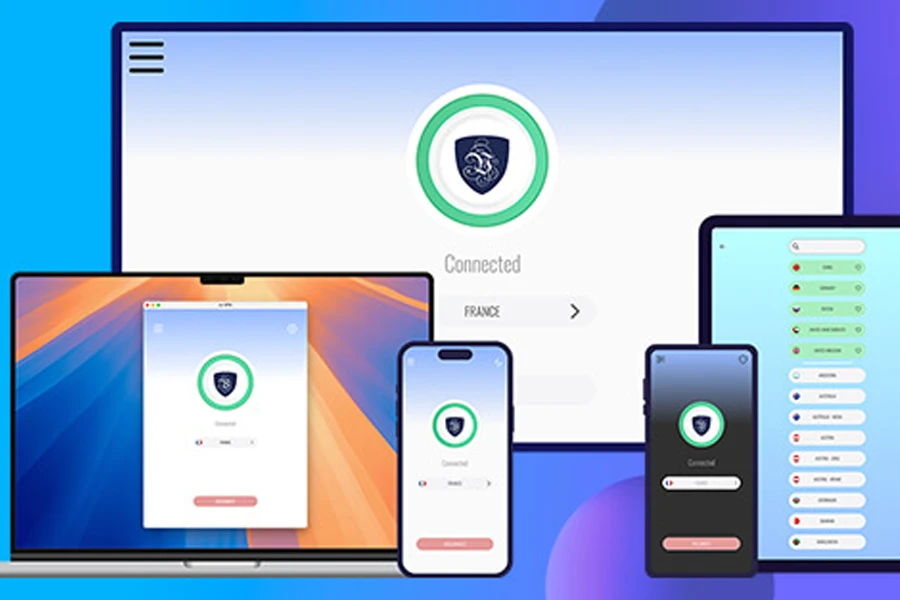
App availability
Opt for a VPN that offers dedicated apps for all your devices rather than just configuration files sent via email. Native apps provide user-friendly interfaces, automatic updates, and built-in features like kill switches and protocol switching. They make connecting simple with one-click access, eliminating the technical hassle of manual setup. Le VPN provides intuitive apps for all major platforms.
Reliable customer support
Quality customer support matters whether you're a first-time VPN user or a tech expert. Beginners benefit from guidance during initial setup and troubleshooting, while advanced users need help configuring VPNs on specialized or unusual devices. Look for providers offering multiple support channels - live chat, email, and comprehensive knowledge bases. Le VPN's support team is available to assist with any technical challenge.
Moneyback guarantee
Not every VPN will be the perfect fit for your needs, and that's okay. A moneyback guarantee lets you test the service risk-free and make an informed decision. This shows the provider's confidence in their product and respects your right to change your mind. Le VPN offers a 30-day money-back guarantee - giving you a full month to evaluate our service with zero commitment.
P2P policy
Some VPN providers restrict or outright block peer-to-peer (P2P) traffic, even for legitimate uses like file sharing, torrenting Linux distributions, or using decentralized applications. If P2P is important to your workflow, verify that your VPN explicitly allows it without throttling or restrictions. Le VPN supports P2P traffic on our network, giving you the freedom to use your connection as you need.
Expert insights: what the pros look for in VPN
If you're looking for a VPN partner for the long haul - not just another service you'll switch out in a few months - these factors matter more than flashy marketing. Our clients who've been with us for years understand that committing to a multi-year plan requires looking beyond basic features. Here's what separates providers you can trust for the next decade from those you'll regret choosing.
Always check the track record
Don't trust marketing claims about being the "best VPN in the world" - especially from ranking websites that earn commissions on every sale. No-logs policies, "independent" audits funded by VPN companies, and sponsored YouTube reviews often tell you nothing about real-world performance. Remember: influencers aren't recommending VPNs, they're selling ads.
If you want a truly trusted partner, examine their actual track record. Have they leaked user data? Been involved in privacy scandals or security breaches? How do they respond when governments demand user information? Actions speak louder than marketing.
At Le VPN, we have 15 years of proven reliability. We've stood by our users in countries where larger corporations surrendered to pressure - and our history demonstrates our commitment to your privacy.
Jurisdiction matters
Every VPN operates as a legal business subject to local laws. If a VPN's jurisdiction requires data sharing with authorities, don't expect them to break the law to protect you - no matter what their marketing promises. The location of a VPN's legal headquarters directly affects what data they can be forced to collect and share.
Research the privacy laws in your VPN provider's country of registration. Some jurisdictions have mandatory data retention laws or are part of intelligence-sharing agreements. Le VPN is headquartered in Hong Kong specifically to operate outside invasive data retention regulations.
Corporate structure and incentives
Here's a simple rule: smaller is usually better. Large corporations answer to shareholders who demand maximum profits - and sometimes that conflicts with user privacy. When times get tough, you need confidence that your VPN won't monetize your data to satisfy investors or parent companies.
Many VPN brands you see advertised are actually owned by just a handful of large corporations with questionable business practices. We won't name names, but the research is easy to find. Ask yourself: who really controls your VPN, and what are their other business interests? At Le VPN, we remain independent precisely to avoid these conflicts.
Stay away from free VPNs
Servers cost money. Bandwidth costs money. Development and customer support cost money. So ask yourself: if you're not paying for a "free" VPN, who is? There are no good samaritans in this business - free VPN providers make money by selling your data, injecting ads, or worse.
Your privacy and security are worth the cost of a legitimate service. Free VPNs often log your activity, sell browsing data to advertisers, or compromise security to cut costs. If the product is free, you are the product.
Pace of innovation
VPN technology evolves rapidly. New protocols emerge, old ones become vulnerable, censorship techniques grow more sophisticated, and security threats constantly shift. A VPN provider that hasn't updated their technology in years is leaving you exposed.
Choose a provider that consistently innovates to stay ahead of threats. Look for recent protocol additions, security feature updates, and responses to emerging challenges. Le VPN continuously updates our service - from adding Stealth Mode to bypass Deep Packet Inspection to implementing Breach Detection and Threat Protection. We don't rest on past achievements.
Avoid all-in-one solutions
If your VPN provider is also selling you a browser, password manager, antivirus software - or is run by an influencer branching into VPN services - be skeptical. Companies spreading resources across multiple products rarely excel at any single one. Jack of all trades, master of none.
Choose specialists who focus on doing one thing exceptionally well. At Le VPN, we're VPN experts - not a tech conglomerate trying to build an ecosystem. Our singular focus ensures we deliver the best possible VPN experience rather than mediocre everything.

15 years of proven track record
Born in Paris in 2010, Le VPN has built trust through actions, not promises. From standing firm against Russian censorship to protecting users when larger corporations surrendered, our history demonstrates our commitment. We don't just claim to protect your privacy - we have 15 years of proof. Explore our journey and see why our track record sets us apart.
Read Our Story →
How to set up and use a VPN
Step 1
Sign up for Le VPN
Select your preferred plan and set up your account. Every subscription is backed by our 30-day money-back guarantee.

Step 2
Download the app
Download Le VPN app and follow the quick installation process. Setup is complete in under two minutes.

Step 3
Launch and connect
Hit Connect for automatic protection using our optimal server, or manually select from 100+ global locations.
Download the latest Le VPN app for all devices




Also available on



Quick recap
This guide explains what a VPN (Virtual Private Network) is and how it works: it builds an encrypted tunnel between your device and a VPN server, replacing your real IP address with the server's so your ISP, trackers and snoopers can't see your activity or location. It covers why people use a VPN - streaming, travel, public Wi-Fi, file-sharing, gaming and shopping - the main VPN protocols, and how to choose a trustworthy provider.
- A VPN encrypts your traffic and hides your IP, protecting your data on public Wi-Fi and keeping your browsing private from your ISP
- Common uses: watch home content while traveling, stream without ISP throttling, shop across regions, and play region-locked games (a valid subscription is still required for paid services)
- Uses AES-256 encryption and supports every major protocol - WireGuard, Stealth WireGuard (bypasses Deep Packet Inspection), OpenVPN, plus IKEv2/IPSec, L2TP/IPSec and PPTP
- Picking a provider: favor open-source protocols, strong server coverage, native apps, real support and a money-back guarantee - and avoid free VPNs that monetize your data
- Le VPN: independent since 2010, Hong Kong jurisdiction, servers in 100+ countries, and a 30-day money-back guarantee
- Setup takes minutes - sign up, download the app, then connect to an optimal or manually chosen server