What is the Future of Alt Tech and Section 230?
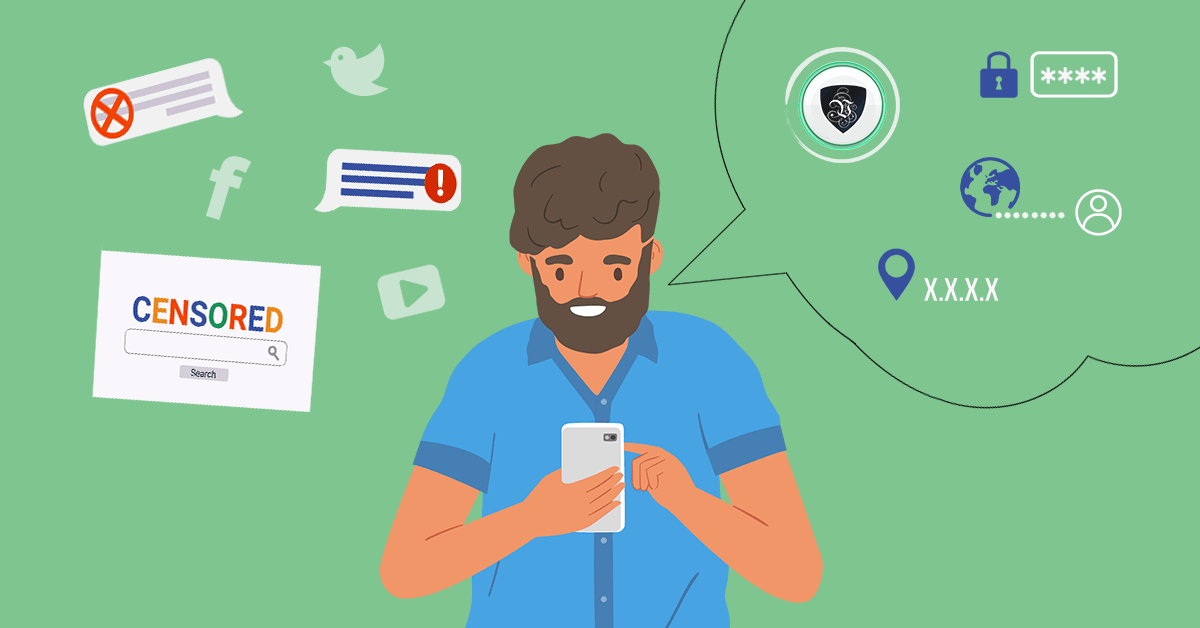
The tech world has spent years in a running argument about where moderation ends and censorship begins — and the argument shows no sign of resolving. For the average consumer, the future of Alt Tech and of Section 230, the US law at the center of the debate, will have more to do with personal security than with courtroom drama.
Alt Tech — alternative technology — is the umbrella term for platforms that compete with the tech behemoths: alternatives to Google, Amazon, Meta, and the dominant social networks. Every wave of deplatformings, policy changes, and ownership shake-ups sends new waves of users toward smaller platforms like Telegram, Mastodon, Rumble, and a rotating cast of newcomers. And every wave of migrants asks the same question: is my data any safer over there?
Amid deliberately confusing coverage from all sides, a few things can be discerned:
- People will keep migrating between platforms as policies shift.
- Large platforms will keep tightening control over content and data.
- Private information will remain under attack — everywhere.
For worldwide consumers, the takeaway is practical: take greater care of your personal data, because platforms of every size — dominant or alternative — monetize what they know about you, and smaller platforms often have weaker security than the giants they replace.
Thankfully, existing tools are enough for future protection. With focus on digital hygiene and anonymity, you can stay safe from anything Big Tech, Alt Tech, hackers, or other malicious entities want to do with your information. The cornerstones remain the same: a good VPN provider like Le VPN keeping your IP address hidden on all your devices, plus solid anti-malware software cleaning up whatever slips through.
What are Alt Tech and Section 230?
Alt Tech platforms are services outside the large corporations that offer the same functions — simplified, social media and communication platforms that don’t dominate the market. Some are huge in absolute terms: Telegram counts its users in the high hundreds of millions. Yet even that is a fraction of the multi-billion-account empires of Meta’s WhatsApp, Instagram, and Facebook. Scale is exactly what drives the migration: users worry about data concentration when a handful of companies hold profiles on most of humanity and share signals across their ecosystems and advertising partners.
Section 230 of the US Communications Decency Act is the short law with the long shadow. Its core provision means platforms are generally not legally liable for what their users post, while remaining free to moderate content as they see fit. It was written in 1996 to protect young internet services from being sued out of existence over user posts — and it’s genuinely the reason forums, review sites, and social media can exist at all.
The controversy is about the second half: the same shield that protects platforms from liability also protects their moderation decisions, however inconsistent or self-serving. Critics across the political spectrum want it reformed — some to force platforms to moderate less, others to force them to moderate more. Courts, including the US Supreme Court, have so far left the law’s core intact, and repeated legislative reform attempts have stalled. The realistic forecast: the fight will continue for years, and platform rules will keep shifting underneath users — which is precisely why your safety strategy shouldn’t depend on any platform’s goodwill.
Liberty through Anonymity
Reading about squabbles between corporations and Congress can be entertaining, but the average user’s security and liberty matter more than the spectacle. The best protection against arbitrary platform power is simple: make sure no one can connect your real-life person with the accounts you use online. That alone solves half the problem — you can’t be doxxed, profiled, or “canceled” through an identity that was never attached to you.
The other half is diversification: spread your presence, your tools, and your finances so no single company’s decision can cut you off.
#1 Hide Your IP Address
This is as easy as it is important — the first step in preventing your activity from leaving a trail back to you. You can check your IP address at any time and see exactly what every platform sees: your location, your ISP, your identity’s anchor.
A good VPN fixes this in seconds. Connect through any of Le VPN’s servers in 100+ locations — even one in your own country — and platforms, trackers, and snoopers see the server instead of you. With up to 5 simultaneous connections, every device you use for social platforms stays covered.
#2 Use an Avatar
Even if your legacy accounts carry your real name and photo, a migration to new platforms is the perfect moment to build an online persona. Signing up as a consistent character rather than yourself means data breaches, harassment campaigns, and profiling all land on someone who doesn’t exist. It’s also, frankly, good for creativity.
#3 Compartmentalize Your Financial Details
Finally, don’t let one leak reach everything you own. Diversify where you keep money, use separate cards or virtual card numbers for online subscriptions, and periodically rotate the details attached to platforms you don’t fully trust. Cryptocurrency has its uses, but its volatility makes it awkward for daily expenses — simple compartmentalization of conventional banking does more for most people. That way, when some platform’s user database inevitably leaks, the blast radius is one disposable detail, not your financial life.
Keep Calm and Carry On
Neither the online world nor the offline one is ideal, but none of this is new. Threats to personal information, security, and liberty are what internet users have always faced — which means the solutions already exist.
Use a provider like Le VPN to hide your IP address — with servers in 100+ locations and a 30-day money-back guarantee on your first purchase — and apply the common sense of not sharing your personal information with any platform, dominant or alternative. Do that, and whatever happens to Section 230, you’ll remain free and safe to enjoy online spaces on your own terms.