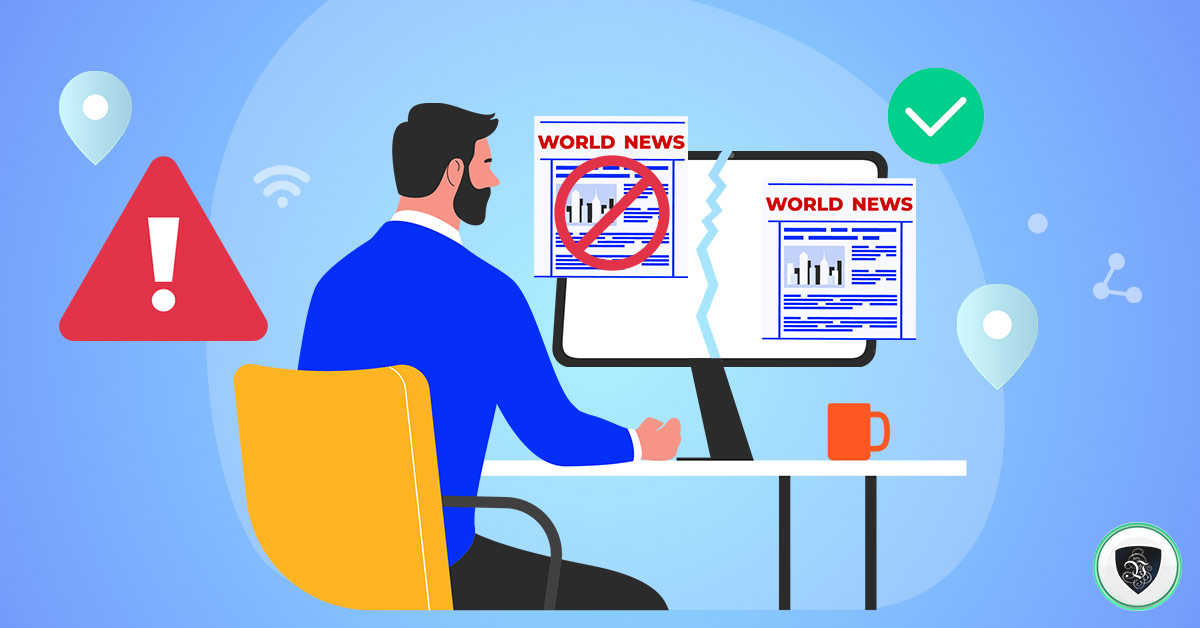
Only 14 % of the world population has access to free media
Media freedom has experienced its darkest years over the decade, especially in Egypt, in Turkey, in Ukraine, but also in the United States on national security issues, as denounced by a study conducted by an American NGO called Freedom House.
Various cases where press freedom has been violated have been studied: control of information, physical or psychological harassment of journalists covering protests or other sensitive subjects, restricted access for foreign journalists, economic and legal constraints on press outlets, online media and social media, political pressure on media editorial line…
According to the NGO annual report, only 14 % of the world population has access to “free” media, which means one person out of seven. The report also reveals that 44 % of the world population lives in areas where media are “not free” and 42% in areas where the media are “partly free.”
Out of the 197 countries and territories studied in 2013, Freedom House lists 63 “free” countries, 68 are “partly free” and 66 are “not free.” The overall evaluation implies that the media freedom press fell to its lowest level since 2004 and the number of people with access to free media is at its lowest, since 1996.
“We are seeing a general decline in media freedom, with governments and private actors who attack journalists, either by barring their access to events, using censorship, or firing them for political reasons” said the NGO.
Among the countries where the media are the most muzzled, the prize goes to North Korea. Belarus, Cuba, Equatorial Guinea, Eritrea, Iran, Turkmenistan and Uzbekistan are also stigmatized. ” In these states, independent media are nonexistent or barely able to operate, the press acts as spokesman for the regime, citizens’ access to unbiased information is severely limited” says the study, however, positive changes and openness has been reported in Cuba. Nordic countries (Netherlands, Norway and Sweden) are instead the countries where media are most free.
While the record is somewhat weighed down by China, considered as “non-free” and India, “partly free” because both countries represents more than a third of the world population.
As for the United States, they see their score dropping compared to 2012, because “the officials are not willing to provide information to media members” and target journalists in criminal investigations.
To have access to free media and avoid any censorship on the Internet, use VPN services that allow you to choose your country of connection. Wherever you live, you can choose to set your connection in one of 100+ locations where access is not restricted. You can then access the sites of your choice with full anonymity, without incurring the heavy reprisals from any censorship. Choose today Le VPN and enjoy its all-inclusive offer for safe surfing.
About the author
Le VPN Blog Editor
Alan Summers has been writing and editing for the Le VPN blog for years, covering online privacy, cyber security, and the best ways to get the most out of a VPN. He keeps a close eye on the news that affects internet freedom around the world and turns it into practical advice for Le VPN readers.
Articles by Alan Summers →