Protecting Your Smart Home in 2026: VPNs for IoT Security
The Smart Home Revolution and Its Hidden Vulnerabilities
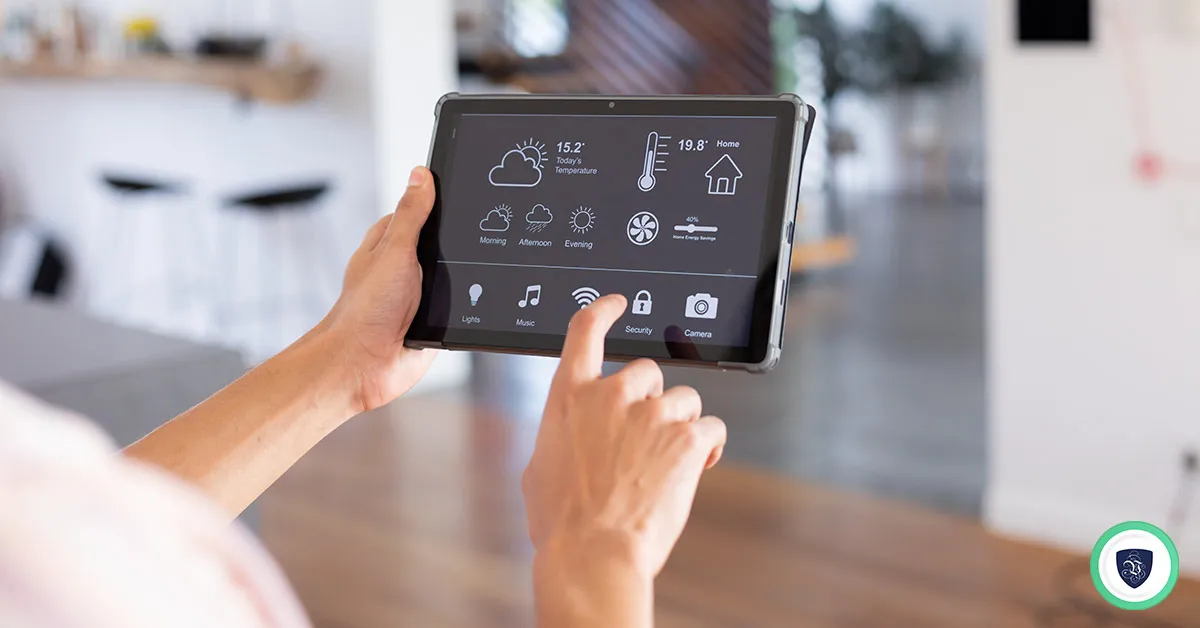
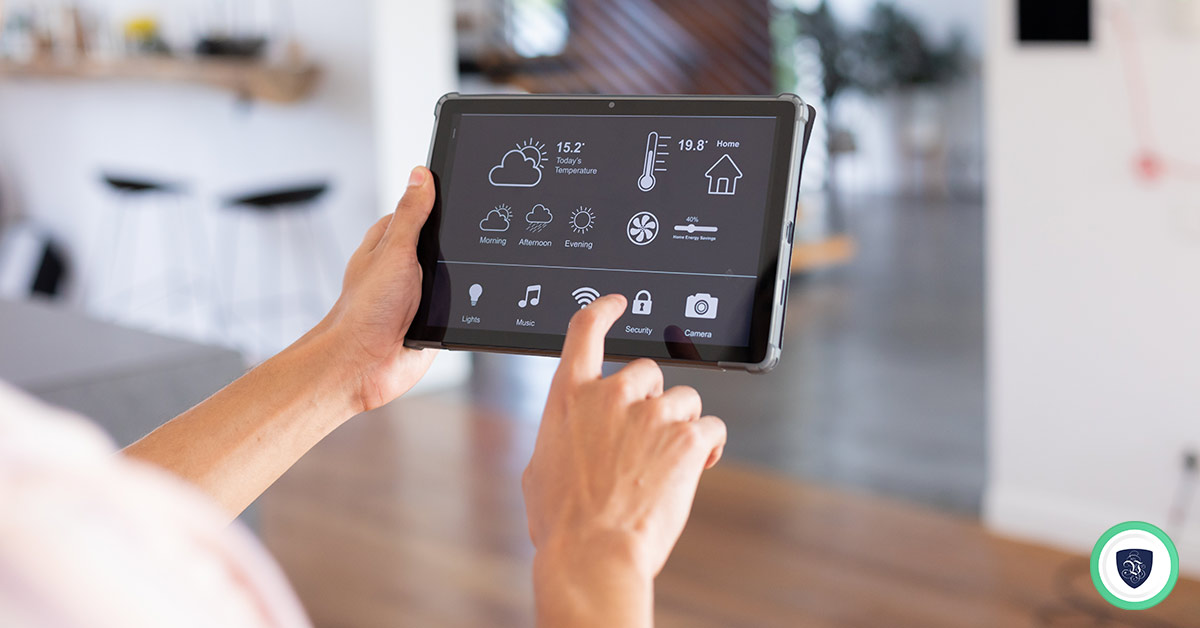
The smart home has evolved from a futuristic concept to an everyday reality. In 2026, the average household contains 14-22 connected devices, with smart home cyber attacks surging to an alarming 29 attempts per household daily. From smart thermostats that learn your temperature preferences to security cameras protecting your property and voice assistants controlling everything with simple commands, these devices promise unprecedented convenience and efficiency.Yet beneath this seamless experience lies a disturbing reality. 38% of smart home devices have been compromised at least once, and the threats are accelerating faster than most homeowners realize. With over 21-24 billion IoT devices deployed globally, cybercriminals have turned residential networks into high-value targets, exploiting vulnerabilities that many homeowners don’t even know exist.
The 2026 Threat Landscape: AI-Powered Attacks and Massive Botnets
The cybersecurity landscape has fundamentally shifted in 2026. AI-driven IoT attacks surged 54% in 2026, with autonomous malware that learns, adapts, and evolves faster than human defenders can respond. This isn't science fiction - it's the new reality of smart home security.Self-learning botnets now infect devices in minutes, polymorphic malware evades traditional antivirus, and AI-powered reconnaissance scans millions of homes hourly. The scale of these attacks is staggering. Cloudflare mitigated a 29.7 Tbps Aisuru flood in Q3 2025 sourced from an estimated 300,000 to 700,000 hijacked routers, DVRs, and IP cameras, while Microsoft Azure blocked a record 15.72 Tbps DDoS attack linked to IoT botnets in early 2026.
In March 2026, the U.S. Department of Justice disrupted four IoT botnets - Aisuru, Kimwolf, JackSkid, and Mossad - that had infected more than 3 million devices worldwide. These weren’t just routers and cameras; they were smart TVs, digital video recorders, and other everyday devices sitting in homes across the globe.
Common Vulnerabilities That Put Your Home at Risk
Weak Default Passwords: The Easiest Entry Point
Despite years of warnings, weak passwords remain the most exploited vulnerability in smart home security. Manufacturers ship devices with generic credentials like "admin/admin" or "1234" to simplify setup. Hackers maintain comprehensive databases of these default passwords, allowing them to breach devices in seconds.The consequences can be severe. A family in Portland discovered their smart camera had been accessed by strangers who watched their daily routines for weeks before attempting a burglary. The camera used its default password, making the hack trivially easy.
Outdated Firmware and Unpatched Vulnerabilities
Many smart home devices receive infrequent firmware updates and operate on proprietary systems that resist modification. They ship with default credentials, receive infrequent firmware updates, and operate on proprietary systems that resist modification. This creates an environment where attackers find easy entry points and defenders struggle for visibility.In January 2026, the RondoDox botnet launched over 40,000 automated attack attempts in a four-hour window targeting government, financial services, and industrial manufacturing organizations, exploiting a critical vulnerability in enterprise infrastructure management platforms.
Unsecured Network Infrastructure
Your Wi-Fi network is the foundation of your smart home ecosystem. If your network uses weak encryption (WEP or outdated WPA) or has a guessable password, attackers can intercept all traffic between your devices and the cloud.Local network protocols used by IoT devices are not sufficiently protected and expose sensitive information about the home and our use of the devices. These threats include the exposure of unique device names, UUIDs, and even household geolocation data, all of which can be harvested by companies involved in surveillance capitalism without user awareness.
How VPNs Protect Your Smart Home Ecosystem
Virtual Private Networks have emerged as a critical defense layer for smart home security. While many homeowners associate VPNs with privacy when browsing the internet, their application for IoT security provides comprehensive protection that addresses multiple vulnerability points simultaneously.Encryption: Making Your Data Unreadable to Attackers
When a device is connected to a VPN, all of the traffic running to and from it is encrypted. Even if someone were to intercept network traffic they would be virtually unable to interpret it. This is particularly important for smart home devices that transmit sensitive data - from security camera footage to thermostat schedules that reveal when you're home.IoT VPNs add end-to-end network security to data sent to and from devices by using VPN tunnels, bringing enterprise level network security to a famously insecure networking approach with reliable authentication and end-to-end encryption.
IP Address Masking: Hiding Your Devices from Attackers
A VPN can help protect against DDoS attacks by shielding the user IP address, making it difficult for hackers to launch a targeted attack. Shielded or "masked" IPs also prevent intruders from tracking user activity.This is crucial because AI-powered reconnaissance scans millions of homes hourly, looking for vulnerable devices. By hiding your devices’ real IP addresses, you make them significantly harder to identify and target.
Protection Against Man-in-the-Middle Attacks
Man-in-the-middle attacks occur when an attacker breaches, interrupts or spoofs communications between two systems. For example, fake temperature data 'generated' by an environmental monitoring device can be spoofed and forwarded to the cloud.VPN encryption creates a secure tunnel that prevents attackers from intercepting or manipulating data as it travels between your devices and their cloud services. This is particularly important for devices that control physical security, like smart locks and alarm systems.
Network Segmentation Through VPN Configuration
IoT VPNs guard against security threats by offering privacy, robust protection, and scalable management of numerous devices. They protect devices from DDoS attacks, which cripple business infrastructure, and MITM attacks, which threaten data security. With an IoT VPN, your business can architect a scalable, private network that secures data across your organization.Advanced VPN solutions allow you to create isolated networks for different device categories, ensuring that a compromised smart bulb can’t provide access to your security cameras or personal computers.
Implementing VPN Protection: Practical Approaches
Router-Level VPN Configuration
The most comprehensive approach to protecting your smart home is implementing a VPN at the router level. With a VPN on your router, you can extend all the privacy and security of a VPN to every device in your home, including your virtual assistants, security cameras, and smart lights. Getting protected is as easy as joining your Wi-Fi network.This approach is particularly effective because many IoT devices don’t support VPN apps directly. By securing the router, you protect all connected devices automatically, regardless of whether they have native VPN support.
Selecting the Right VPN for IoT Security
Not all VPN providers offer the same level of protection for smart home environments. When selecting a VPN service for IoT security, consider these critical features:Strong Encryption Protocols: Look for services that offer robust encryption standards and support for multiple protocols. Modern VPN services should support protocols like WireGuard, which provides excellent security with minimal performance impact - crucial for bandwidth-sensitive IoT devices.
Stealth and Obfuscation Capabilities: Some advanced VPN services offer stealth protocols that can bypass network restrictions and make VPN traffic appear as regular internet traffic. This is particularly valuable in environments where network monitoring might flag VPN usage. Discover more about VPN obfuscation and how it can bypass advanced censorship.
Threat Protection Features: Beyond basic encryption, some VPN services include additional security layers such as protection against trackers, phishing attempts, and malware. These features add an extra defensive barrier for your smart home devices.
Data Breach Monitoring: Advanced VPN services now include data breach scanning that checks if your email addresses or credentials have been leaked in known data breaches - helping you identify compromised accounts before attackers can exploit them.
Global Server Network: A VPN service with an extensive network of servers in multiple locations provides better connection options and redundancy. This ensures your smart home devices maintain secure connections even if specific servers experience issues.
Combining VPN Protection with Other Security Measures
While VPNs provide powerful protection, they work best as part of a layered security strategy:Change Default Credentials Immediately: Never reuse your passwords! Many attacks on smart home devices, including the incidents of hackers talking to babies through connected video monitors, have been linked back to reused passwords.
Enable Automatic Updates: Tech companies update smart home devices often, sometimes to fix security holes. Ideally, you want to set these updates to happen automatically, so you don’t forget. If your device is older and can no longer receive updates, you should consider replacing or retiring that item.
Create Separate Networks: Consider setting up a separate network for your smart home devices. Ideally, you don’t want the network that has your computer with your sensitive financial documents to be on the same network as your smart doorbell, which might be more easily compromised. Separating the networks can take time to set up, but it’s worth the effort.
Enable Multi-Factor Authentication: A much better option is to use multi-factor authentication, which will help protect you if your password or PIN is exposed. For example, you might be able to verify your identity by using biometric methods, such as facial recognition or a fingerprint.
The Future of Smart Home Security
Emerging Technologies and Standards
The smart home security landscape continues to evolve rapidly. Matter Protocol is an industry standard for smart home interoperability, with security built-in from ground up. Prioritize Matter-certified devices when available.AI-Powered Security with machine learning systems detecting anomalous behavior and automatically responding to threats, Quantum-Resistant Cryptography for preparation for post-quantum computing threats, and Zero Trust Architecture moving from perimeter defense to continuous verification represent the next generation of smart home protection.
Regulatory Developments
Expect increased government oversight, mandatory security standards, stricter privacy requirements, and manufacturer liability for security failures. These regulatory changes will push manufacturers to prioritize security from the design phase rather than treating it as an afterthought.Taking Action: Your Smart Home Security Checklist
Protecting your smart home in 2026 requires a proactive approach. Here's a practical checklist to secure your connected devices:Assess Your Current Setup: Create an inventory of all IoT devices in your home. Understand what data each device collects, how it connects to the internet, and what security features it offers.
Implement VPN Protection: Configure a VPN at the router level to protect all connected devices. Choose a service with robust encryption, threat protection features, and a global server network that can handle the unique demands of IoT devices. Learn more about how VPNs enable secure access to cloud services and protect your data.
Strengthen Access Controls: Change all default passwords to strong, unique credentials. Enable multi-factor authentication wherever available. Use a password manager to maintain unique passwords for each device and service.
Segment Your Network: Create separate networks for different device categories. Keep IoT devices on a dedicated network isolated from computers and mobile devices that access sensitive information.
Maintain Device Hygiene: Enable automatic updates for all devices. Regularly check for firmware updates on devices that don’t support automatic updates. Retire or replace devices that no longer receive security updates.
Monitor and Audit: Regularly review which devices are connected to your network. Check device logs for unusual activity. Use network monitoring tools to identify unexpected traffic patterns.
Disable Unnecessary Features: Many IoT devices give you the ability to control them from anywhere on the planet. But if you only use them on your home’s Wi-Fi connection, disable remote access.
The Reality of Digital Citizenship
You're responsible for securing your devices. Manufacturers often ship insecure products, and regulators are slow to enforce standards. Your compromised camera doesn't just affect you - it becomes part of an attack that harms others.The rise of IoT botnets in 2026 isn’t a distant threat or theoretical risk. It’s happening right now, at massive scale, and statistically, several of your devices have already been scanned by attackers. The question isn’t “Will my devices be targeted?” but “When will they be targeted, and will I be ready?”
The convenience of smart home technology doesn’t require sacrificing security. By implementing comprehensive protection measures - with VPN security as a cornerstone - you can enjoy the benefits of a connected home while maintaining robust defenses against the evolving threat landscape of 2026. For more on cybersecurity challenges and solutions, explore our guide on digital nomad security in 2026.
Smart home security isn’t a one-time configuration; it’s an ongoing commitment to protecting your family’s privacy, safety, and digital well-being. The threats are real and growing, but with proper precautions, including VPN protection, strong passwords, network segmentation, and regular updates, you can enjoy the benefits of a connected home without becoming another statistic in the growing list of smart home breach victims.
About the author
Le VPN Blog Editor
Alan Summers has been writing and editing for the Le VPN blog for years, covering online privacy, cyber security, and the best ways to get the most out of a VPN. He keeps a close eye on the news that affects internet freedom around the world and turns it into practical advice for Le VPN readers.
Articles by Alan Summers →