

Formula 1 Season 2026: Stream Every Grand Prix from Melbourne to Abu Dhabi
The Dawn of a Revolutionary Era in Formula 1
The 2026 Formula 1 season represents more than just another year of high-octane racing—it marks the beginning of a transformative chapter in motorsport history. Starting with the Australian Grand Prix on the weekend of March 6-8 and concluding with the Abu Dhabi Grand Prix from December 4-6, the F1 community will visit five of the world’s seven continents over the course of the year. For racing enthusiasts worldwide, this season promises unprecedented excitement with revolutionary technical regulations, new manufacturers joining the grid, and a broadcasting landscape that’s evolving rapidly.
The 2026 season’s races have been revealed in full, with drivers and teams set to embark on another 24-round campaign as new technical regulations and advanced sustainable fuels come into play. But beyond the track action, fans face a new challenge: navigating the complex world of streaming services, geographic restrictions, and broadcasting rights to ensure they don’t miss a single lap of this historic season.
Understanding the 2026 Broadcasting Landscape
The way fans watch Formula 1 has undergone a seismic shift for the 2026 season, particularly in the United States. The technology giant secured the broadcast rights for the championship in the United States after the deal with ESPN came to an end in 2025, signing a five-year deal from 2026. This represents a significant departure from traditional sports broadcasting, as streaming platforms increasingly dominate the sports media landscape.
This new broadcast agreement will see Apple TV host all Free Practice, Qualifying, Sprint sessions, and Grands Prix. Select races and all Free Practice sessions throughout the season will also be available to watch for free in the Apple TV app. For American fans, this means adapting to a new platform, while fans in other regions continue to navigate their own local broadcasting arrangements.
Global Broadcasting Rights: A Fragmented Picture
Formula 1’s global appeal comes with a complex web of broadcasting rights that vary significantly by region. In the United Kingdom, Sky Sports maintains exclusive live coverage, while Channel 4 provides highlights. Australia relies on Fox Sports for comprehensive coverage, and numerous other countries have their own dedicated broadcasters. This fragmentation creates challenges for international fans, travelers, and expatriates who want to follow every race regardless of their location.
F1 TV Pro is geo-restricted, meaning it only works in certain countries. You might be traveling, or you may live in a region where F1 has sold broadcasting rights to another network. This geographic limitation affects millions of fans worldwide who find themselves unable to access their preferred streaming service when crossing borders.
The Technical Revolution: What Makes 2026 Different
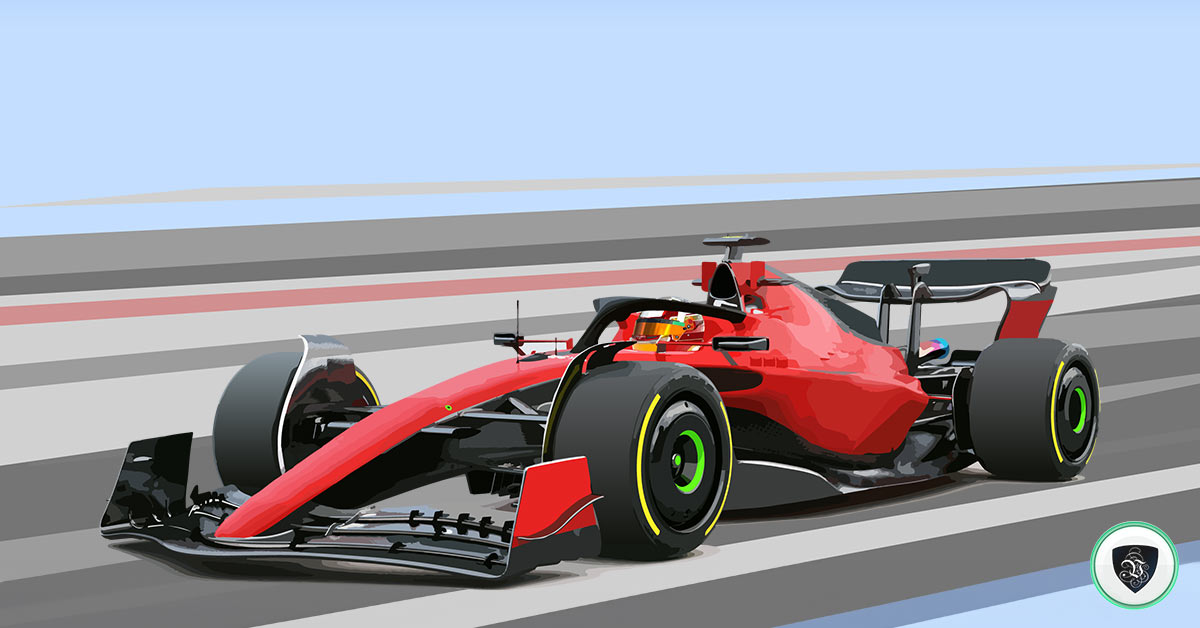
Understanding why the 2026 season is so significant helps explain why fans are more determined than ever to find reliable streaming solutions. The cars will be shorter, narrower, lighter and nimbler. The wheelbase has been shortened, which in theory means they should be more responsive through corners. These aren’t minor tweaks—they represent the most comprehensive regulation overhaul in Formula 1 history.
Active Aerodynamics and Overtake Mode
One of the most exciting changes involves how cars will handle aerodynamics. Active Aero means essentially saying goodbye to DRS in its current form, as the rear wing flaps can be opened on every designated straight without the need to be within one second of the car in front. However, being inside one second of your rival does still bring benefits in the form of Overtake Mode. This system promises to create more strategic racing and potentially more overtaking opportunities throughout each Grand Prix.
Sustainable Power Units
Environmental consciousness meets cutting-edge performance in 2026. For the first time ever, Formula 1 power units will be running Advanced Sustainable Fuels, which have been trialled in F2 and F3 in 2025. The fuel is made from cutting-edge sources like carbon capture, municipal waste and non-food biomass. This shift demonstrates Formula 1’s commitment to sustainability without compromising the sport’s thrilling nature.
Navigating Geographic Restrictions: The Fan’s Dilemma
Geographic restrictions pose one of the most frustrating challenges for modern Formula 1 fans. Whether you’re a business traveler catching races from hotel rooms worldwide, an expatriate living abroad, or simply someone who wants access to specific commentary teams or coverage styles, geo-blocking can prevent you from enjoying the sport you love.
F1 TV Pro is blocked in certain regions because existing exclusive broadcasting agreements grant local TV rights that legally prevent F1’s own streaming service from offering live races there. The platform identifies your IP address and checks it against its list of authorized countries. If you’re not on it, you’re denied access—even if you’ve paid for a subscription.
Why Streaming Services Implement Geographic Restrictions
Broadcasting rights are sold on a territorial basis, with different networks paying substantial sums for exclusive access in their regions. These agreements are worth hundreds of millions of dollars and form a crucial part of Formula 1’s revenue model. Streaming services must enforce these restrictions to honor contractual obligations and maintain the value of regional broadcasting deals.
However, this creates legitimate frustrations for fans who may have valid subscriptions but find themselves unable to access content when traveling or relocating. The digital age has made borders increasingly irrelevant for content consumption, yet legal and commercial frameworks haven’t fully adapted to this reality.
Solutions for Unrestricted Race Access
For fans determined to watch every qualifying session, Sprint race, and Grand Prix regardless of their location, several solutions exist. Understanding these options helps ensure you never miss the action from Melbourne to Abu Dhabi.
Virtual Private Networks: Your Gateway to Global Content
A Virtual Private Network (VPN) serves as a powerful tool for accessing geo-restricted content. A VPN helps you watch F1 TV from anywhere, even if you live or are staying in a region where the service isn’t available. By connecting to a VPN server in a region that has access to F1 TV, you’ll change your IP address and be able to bypass geographical restrictions.
When selecting a VPN service for streaming Formula 1, several factors deserve consideration. Connection speed is paramount—buffering during a crucial overtaking maneuver or pit stop can ruin the viewing experience. Server locations matter significantly, as you’ll need access to countries where your preferred streaming service operates. Security features protect your online privacy while you stream, and reliability ensures you won’t face disconnections during critical race moments.
Key Features to Look for in a Streaming VPN
Server Network Coverage: A comprehensive server network across multiple continents ensures you can connect to regions where F1 streaming services are available. With Formula 1 broadcasting rights distributed globally, having server options in North America, Europe, Asia, and other regions provides maximum flexibility.
High-Speed Connections: Formula 1 races are fast-paced, and your internet connection needs to keep up. Modern races are often broadcast in 4K resolution, requiring substantial bandwidth. A quality VPN should minimize speed loss, allowing you to stream in high definition without interruption.
Stealth Technology: Some streaming platforms actively detect and block VPN usage. Advanced VPN services employ obfuscation technology that makes VPN traffic appear as regular internet traffic, helping bypass these detection systems. This feature proves particularly valuable for accessing services that have implemented strict VPN blocking measures.
Multiple Device Support: Modern fans watch races on various devices—smart TVs, tablets, smartphones, and computers. A versatile VPN service should support all major platforms and allow multiple simultaneous connections, enabling you to watch on your preferred device while other household members use the service for their own purposes.
Security and Privacy: While accessing streaming content, maintaining your online privacy remains important. Strong encryption protocols, a strict no-logs policy, and protection against data leaks ensure your viewing habits and personal information stay private.
The 2026 Calendar: A Global Journey
As in 2025, six of the 24 venues on the calendar will host F1 Sprint events. For the 2026 season they are China, Miami, Canada, Great Britain, the Netherlands and Singapore. This format adds extra excitement to select race weekends, providing more competitive action for fans to enjoy.
The season’s geographic flow has been optimized for efficiency. The calendar sees further improvements to the geographical flow of races, including the Canadian Grand Prix now following Miami in an earlier slot from May 22-24, delivering significant freight efficiencies. This scheduling benefits teams logistically while ensuring fans experience a steady rhythm of racing throughout the season.
Notable Calendar Changes
Madrid makes its debut on the calendar one week later as the final European race of the season. This addition brings Formula 1 to Spain’s capital with a new street circuit, expanding the sport’s European footprint. Meanwhile, in August fans will have the last chance to visit the Dutch GP, which will disappear from the calendar. These changes reflect Formula 1’s evolving relationship with host cities and the sport’s strategic growth plans.
The New Competitors: Expanding the Grid
The 2026 season welcomes significant changes to the competitive landscape. Cadillac will become the eleventh team, marking Cadillac’s first appearance in the series and the first new team on the grid since Haas in 2016. This expansion brings fresh energy and American automotive heritage to the championship.
Engine manufacturers are also experiencing a shake-up. Three new engine manufacturers will enter Formula One, coinciding with the engine regulation changes. Audi will enter the sport for the first time, having purchased the existing Sauber team in 2024. These manufacturer entries demonstrate Formula 1’s appeal to major automotive brands and the sport’s relevance to future mobility technologies.
Practical Streaming Tips for the 2026 Season
Successfully streaming every Grand Prix requires more than just the right tools—it demands smart planning and preparation. Here are practical considerations for ensuring uninterrupted access throughout the season.
Testing Your Setup Before Race Day
Don’t wait until lights out at the Australian Grand Prix to test your streaming setup. Practice sessions and qualifying provide perfect opportunities to verify your connection works smoothly. Test different server locations to identify which provides the best combination of speed and reliability for your chosen streaming service.
Understanding Time Zones
With races spanning five continents, understanding time zones becomes crucial for planning your viewing schedule. Early morning races from Asia-Pacific regions, afternoon European Grands Prix, and evening races from the Americas require careful scheduling. Many streaming services offer on-demand replays, providing flexibility for fans who can’t watch live due to time zone differences.
Managing Multiple Devices
Modern households often have multiple Formula 1 fans wanting to watch simultaneously or individuals who prefer different viewing experiences. Some might want the main broadcast on the television while following onboard cameras on a tablet. Ensuring your VPN service supports multiple simultaneous connections and works across all your devices maximizes viewing flexibility.
Data Security While Streaming
While focusing on accessing race broadcasts, don’t neglect your digital security. Streaming sports content online, particularly when using various services and platforms, exposes you to potential security risks.
Protecting Personal Information
When subscribing to streaming services, you provide payment information and personal details. Using a VPN adds an encryption layer that protects this sensitive data from potential interception, particularly when accessing services over public Wi-Fi networks in hotels, airports, or cafes. Learn more about Free vs. Paid VPNs in 2026 and choose wisely for digital security.
Avoiding Malicious Streams
Frustration with geographic restrictions sometimes drives fans toward unofficial streaming sources. These often come with significant risks, including malware, phishing attempts, and poor video quality. Investing in legitimate streaming access through proper channels, combined with tools to bypass geographic restrictions, provides a safer and more reliable viewing experience. Discover more about Beware of Fake VPNs and how to choose a safe option.
The Future of Formula 1 Broadcasting
The 2026 season’s broadcasting arrangements hint at broader trends in sports media consumption. Streaming platforms increasingly dominate, traditional television’s role diminishes, and fans expect greater flexibility in how, when, and where they watch content.
Formula 1’s embrace of digital platforms reflects this evolution. The sport has invested heavily in its own streaming service, F1 TV, while also partnering with major streaming platforms in key markets. This multi-platform approach aims to maximize accessibility while respecting regional broadcasting agreements.
However, the tension between global digital access and territorial broadcasting rights will likely persist. As fans become more mobile and international, the demand for borderless content access will only intensify. The solutions fans adopt today—whether VPN services, multiple subscriptions, or other approaches—will shape how sports broadcasting evolves in coming years. For additional insights on streaming global content, explore how to Outsmart Streaming Restrictions with VPNs.
Making the Most of Your 2026 F1 Experience
Successfully streaming every race from Melbourne to Abu Dhabi requires preparation, the right tools, and understanding of the broadcasting landscape. Whether you’re watching fresh from his first world title win in 2025, Norris will no doubt be hungry for more or following the revolutionary new cars as they tackle circuits worldwide, ensuring reliable access enhances your enjoyment of this historic season.
The 2026 Formula 1 season promises unforgettable racing with new regulations, new teams, and new technologies converging to create something special. By understanding the streaming options available, navigating geographic restrictions intelligently, and preparing your viewing setup properly, you can ensure you’re part of every moment as this revolutionary season unfolds across 24 thrilling races spanning the globe.
From the season-opening excitement in Melbourne through the championship-deciding drama in Abu Dhabi, the 2026 Formula 1 season will captivate millions worldwide. With proper preparation and the right tools—including reliable VPN services that offer extensive server networks, high-speed connections, and robust security features—you can join fans globally in experiencing every qualifying lap, every Sprint race, and every Grand Prix, regardless of where your journey takes you.
EXCLUSIVE DEAL
First 3 years for $2.22/mo
NO LOGS
100+ LOCATIONS
P2P ALLOWED
Easy To Use
30-Day Money Back
Friendly Support
Bitcoin Accepted
Ultra High Speeds